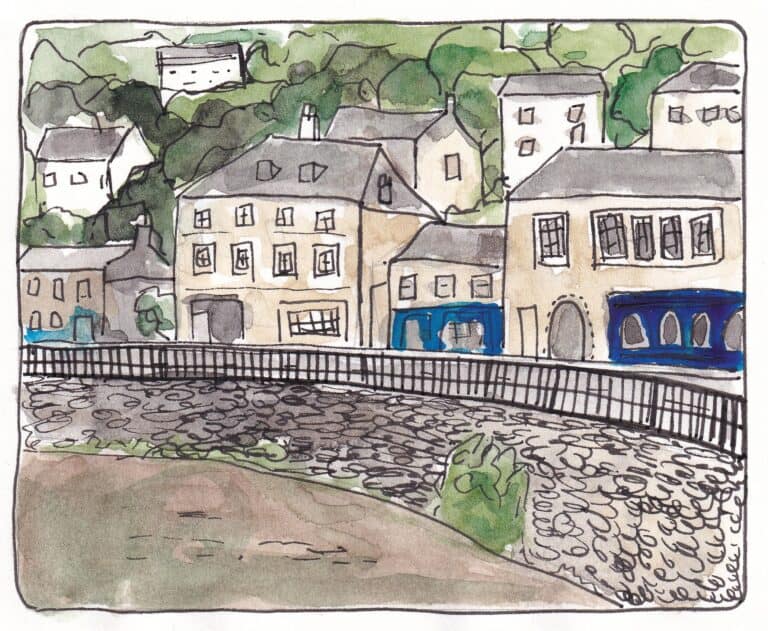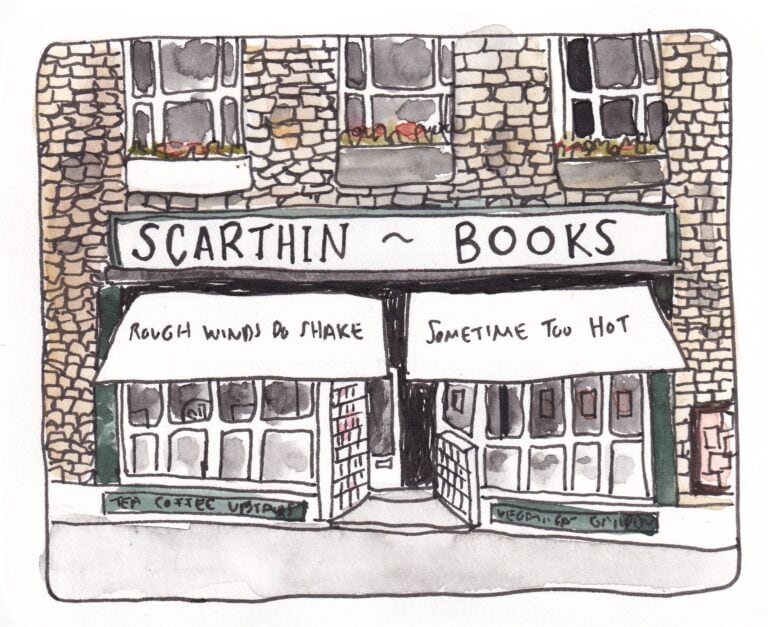
Derbyshire is full of towns and villages that each seem to tell a different story. You might start your day in a town built around warm mineral springs, wander through streets that have barely changed for centuries, and end up standing beneath a church spire that twists strangely against the sky.
Some places are famous for their history, others for their legends. Beneath the hills are caverns where rare gemstones have been mined for generations. Along the rivers are towns that once welcomed Victorian visitors looking for fresh air and adventure. Everywhere you go, there seems to be another tale waiting around the corner.
In this guide, we’ll visit some of the most interesting towns and villages in Derbyshire and uncover the stories, characters, and little details that make each one special.
Matlock Bath
Matlock Bath is a small landlocked town that has all the fun of the seaside without the sea. Matlock Bath runs along the River Derwent and was originally developed around natural thermal springs over 300 years ago. Victorians looking to sample the healing waters were the first tourists to flock to Matlock Bath.
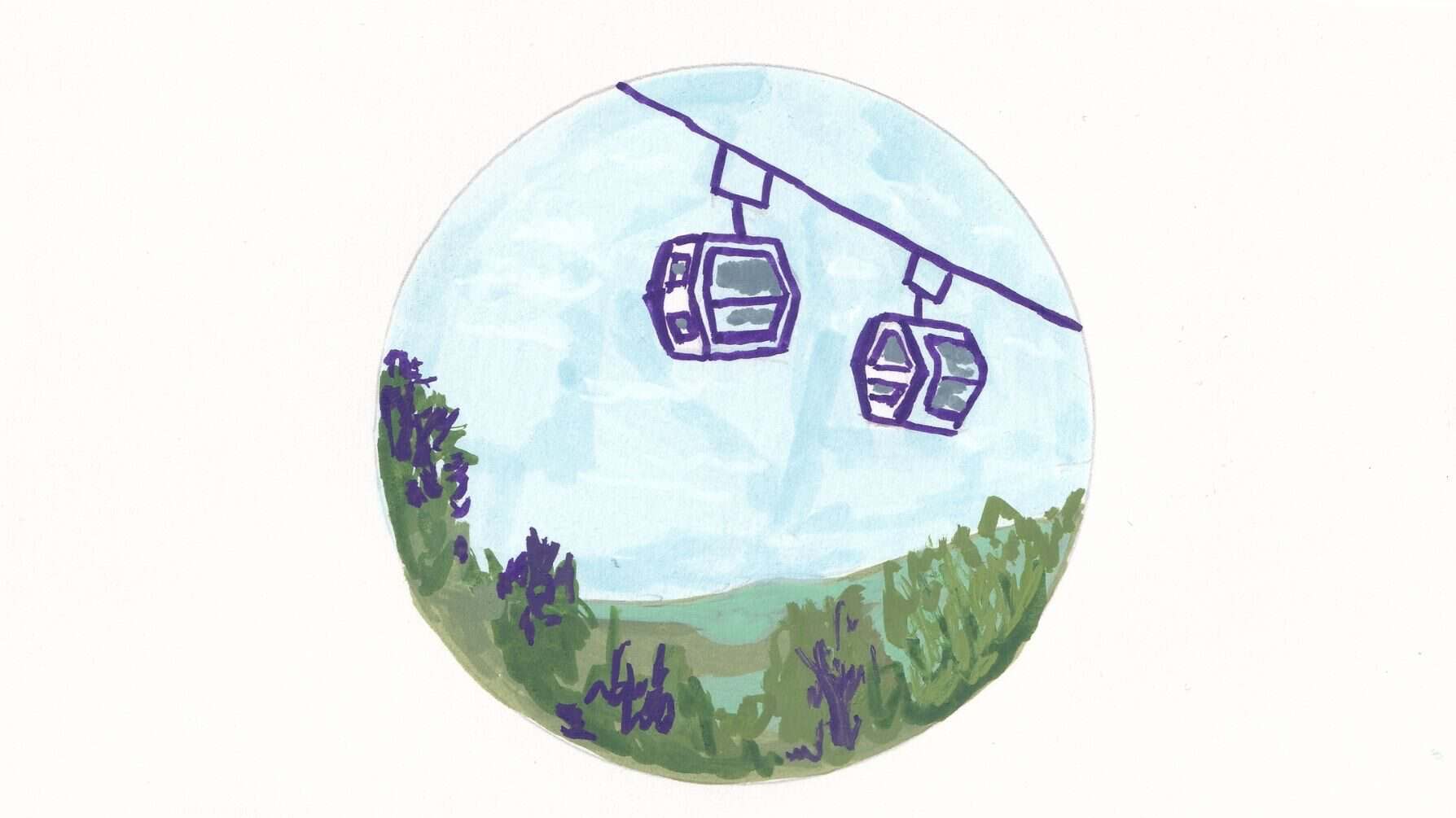
Matlock Bath has a long main street bursting with amusement arcades, cafes, fish and chip shops, candyfloss and visiting motorbikes. Matlock Bath is lined by dramatic high cliffs and you can take a cable car to the top of the ancient hills.
Matlock bath is full of quirky attractions including a small aquarium, a mining museum, Guillivers Kingdom (a children’s amusement park) and indoor crazy golf. Matlock Bath is one of the most popular tourist destinations in Derbyshire. Matlock Bath is one of the most unusual towns and villages to visit in Derbyshire, offering a unique seaside atmosphere in the heart of the Peak District.
Bakewell
Bakewell is a charming town that has remained largely unchanged for hundreds of years.
You can visit the Rutland Arms, a historic hotel with a restaurant and bar where the first Bakewell Tart was created by mistake over 150 years ago. It is rumoured that Jane Austin stayed at the Rutland Arms in 1811 when revising her book Pride and Prejudice.
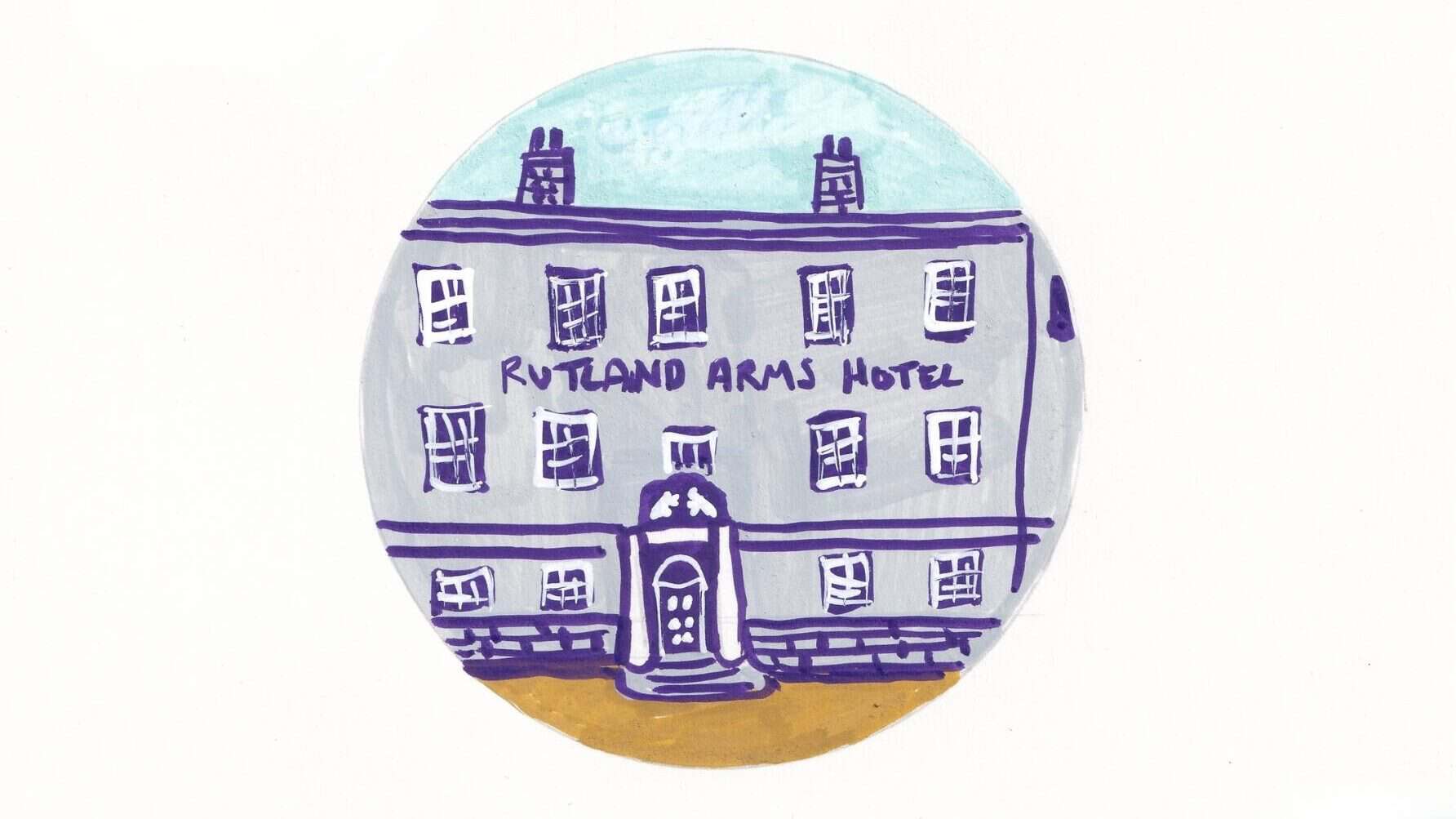
Jane Austen based the fictional town of Lambton on Bakewell. Bakewell has held a weekly market for over 700 years and the market is now on every Monday. Bakewell is widely regarded as one of the most charming towns and villages to visit in Derbyshire.
Wirksworth
The ancient town of Wirksworth is a maze of narrow stone streets and old quirky buildings. Wirksworth has a long history of housing miners since the Romans started mining Lead nearby. Now Wirksworth is a Derbyshire hotspot for independent shops and a creative artists community.
Wirksworth lay under a tropical sea around 300 million years ago which left the limestone full of fossils. These amazing fossils and rocks are celebrated at the National Stone Centre where you can pan for gems and take a fossil trail.
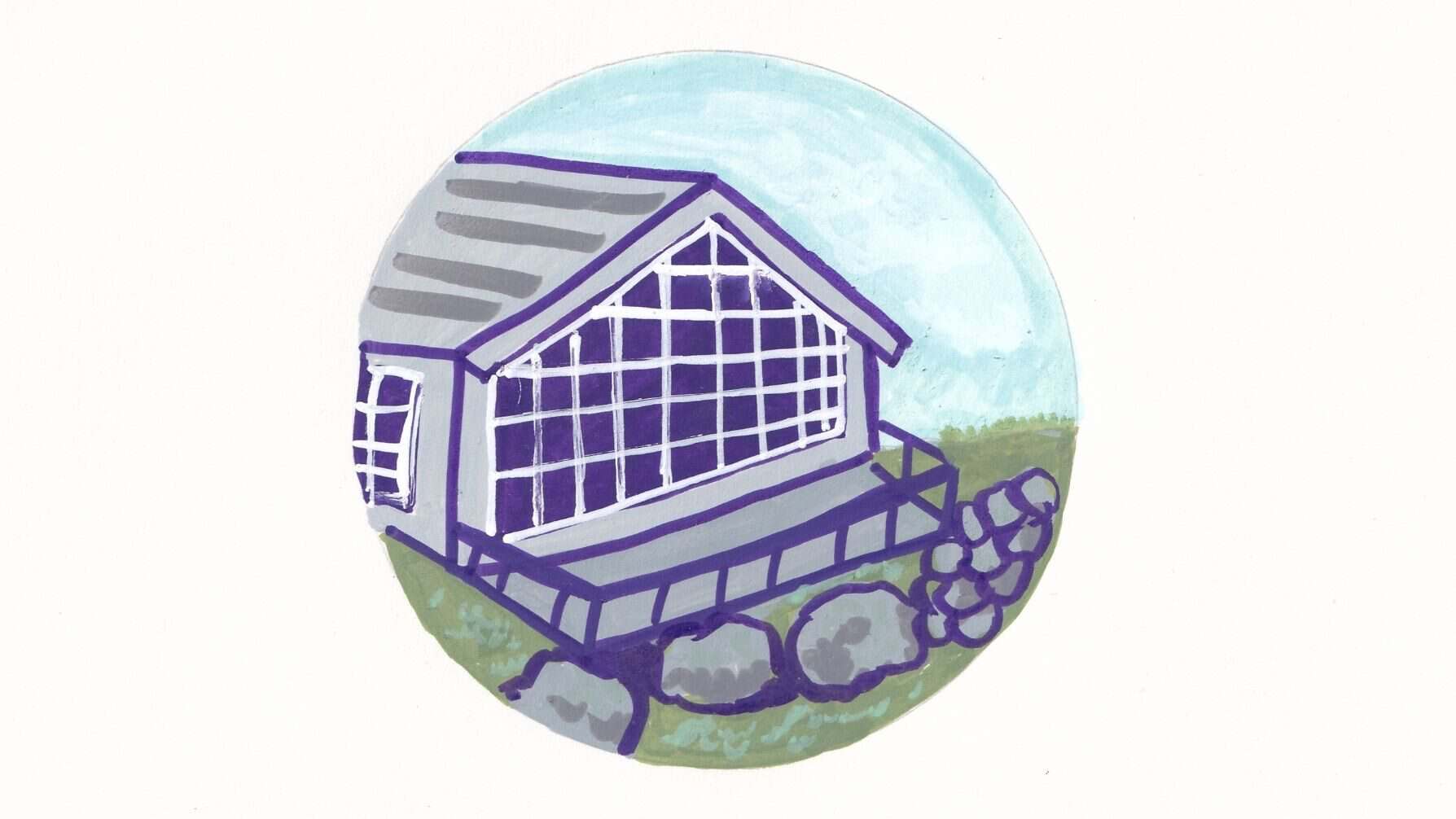
The big open skies above Wirksworth made it an ideal location for a local artist to install a Stardisc. This large black granite disk lights up at night to showcase the stars above.
Buxton
Buxton is famous for two things: being the highest town in England and its natural mineral springs. St Annes Well is a tap where you can fill your water bottle up with natural Buxton mineral water. Rainfall takes up to 5000 years to reach this tap as it slowly filters through a mile of limestone rock.
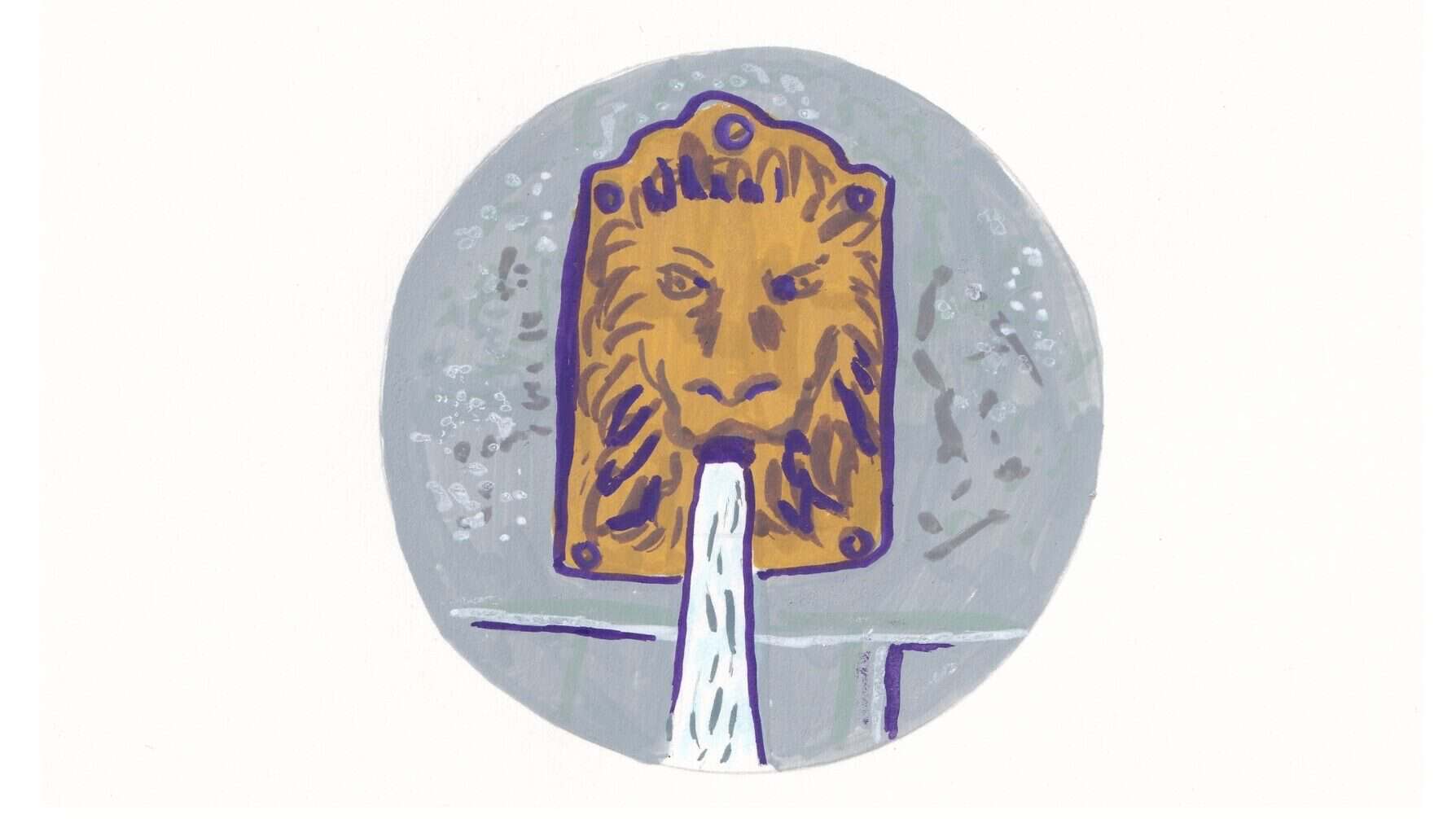
Being so high, Buxton seems to have its own microclimate and snow once fell in June in 1975. The special waters have attracted tourists for hundreds of years which created amazing attractions like The Devonshire Dome, the Pavilion Gardens and the Buxton Opera House.
Chesterfield
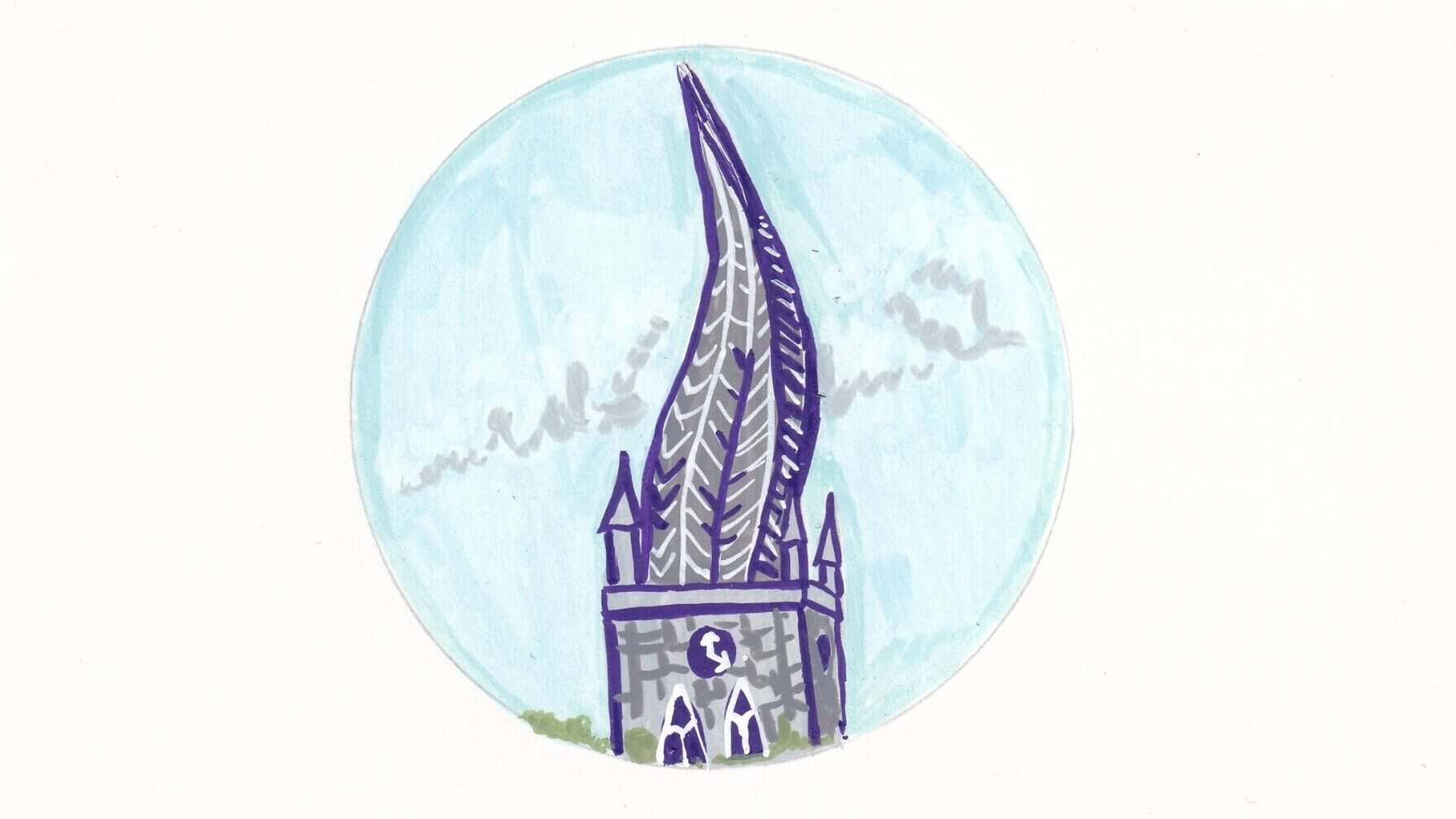
Chesterfield is a historic market town that is famous for its crooked spire on the church of St Mary and all Saints church. The Church of St Mary and All Saints, one of the largest in Derbyshire was built around 1350, with its famous crooked spire added later. The spire is crooked due to production problems caused by a lack of skilled workers after the population was decimated by the plague.
There is a fantastic park in the centre of the town called Queens Park with a miniature railway and a large duck pond. The Chesterfield Canal is 46 miles of some of the best waterways in the country. The whole waterway has a walkable towpath called the Cuckoo Way.
Belper
Belper is a town that is famous for its vibrant high street. The high street is full of independent shops with personality. In 2019 Belper won an award for having the best high street in England. Belper is the only town to win this award twice.
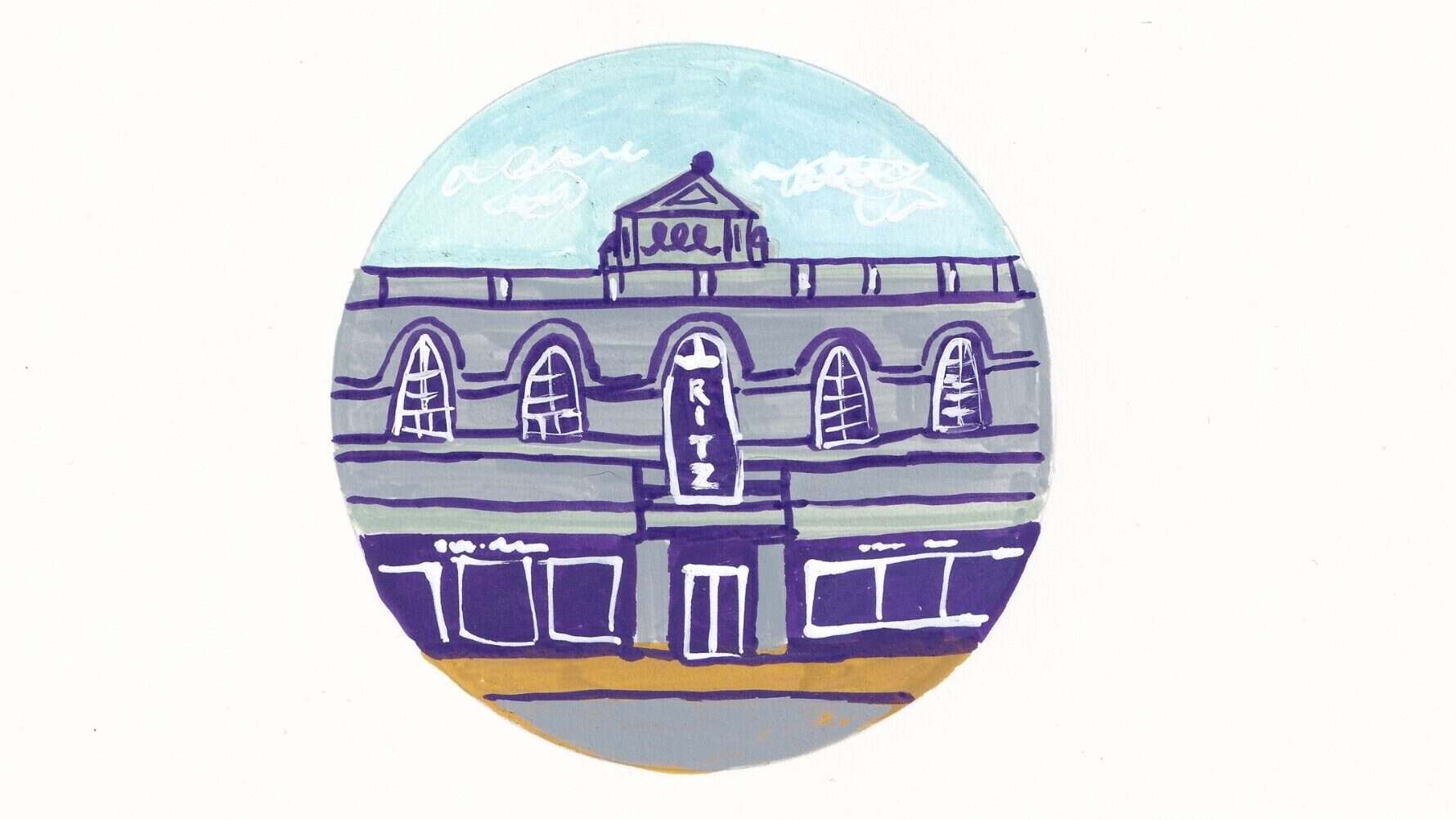
Belper is well known for having beautiful green spaces like the memorial gardens and the River gardens. A crown in the vibrant high street is the stylish art deco independent cinema. This vintage cinema has some sofa seating and you can buy cakes and tea in mugs.
Castleton
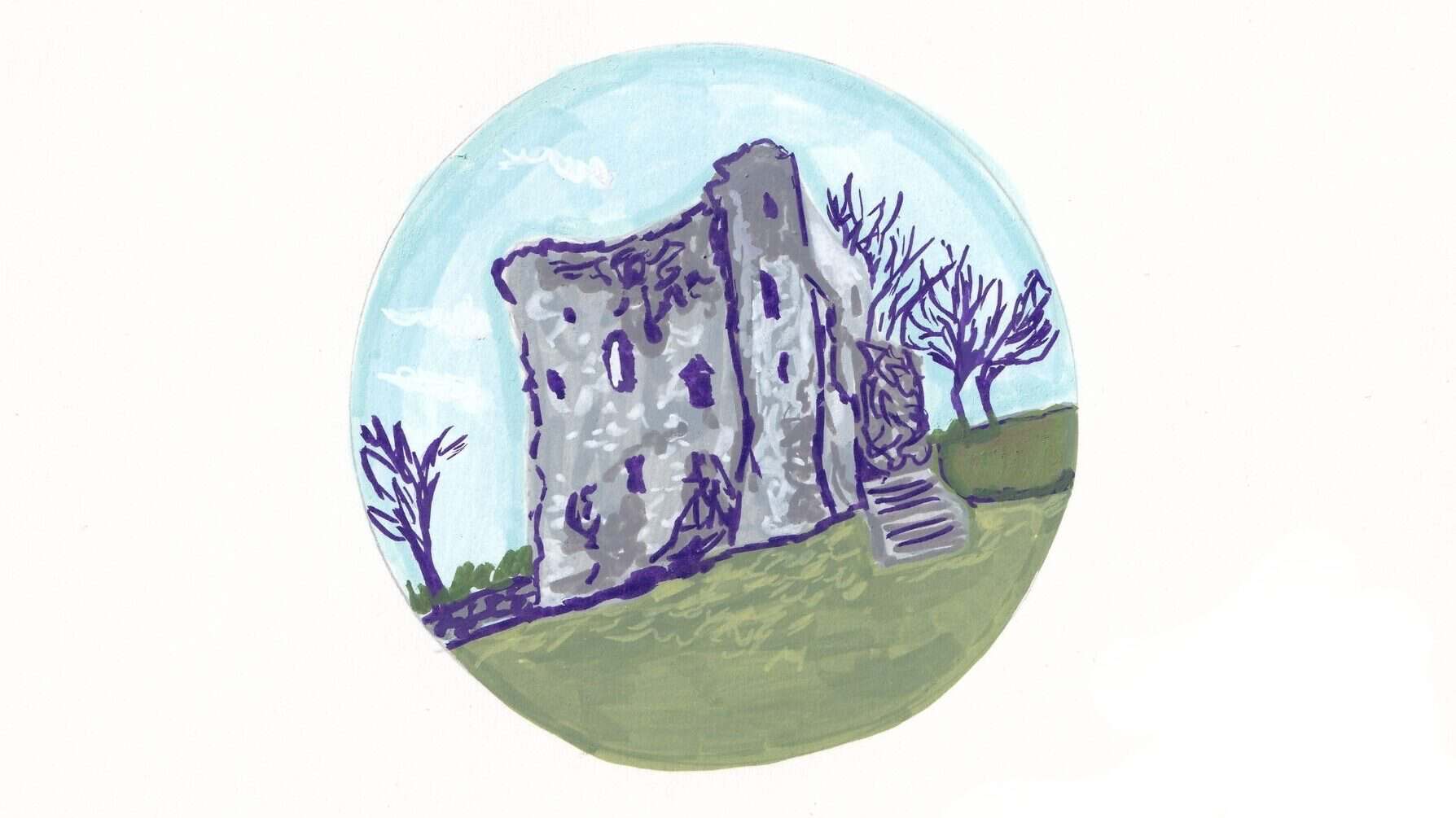
Castleton is a small village that lies beneath the ruin of Peveril Castle. The castle was built over 900 years ago by William Peverel, a knight who fought in the battle of Hastings.
The Blue John and Treak Cliff cavern is the only place in the world where you can find Blue John gemstone. The Romans started mining Blue John at Castleton almost 2000 years ago. The three famous caverns in Castleton are: The Blue John Cavern, Speedwell Cavern, Treak Cliff Cavern and Peak Cavern. In Speedwell Cavern, you can take a boat ride underground in cathedral-like stone caverns. Peak Cavern has the largest natural cave entrance in Britain and regularly hosts concerts.
Thanks to its spectacular scenery, historic castle, and famous caverns, Castleton is one of the most popular villages to visit in Derbyshire.
Crich
Crich is a small village that is famous for being the home to the National Tramway museum. The museum has over 60 restored trams that visitors can ride through the Derbyshire landscape.
Crich was used as the fictional town of Cardale in 1990’s TV series Peak Practice.
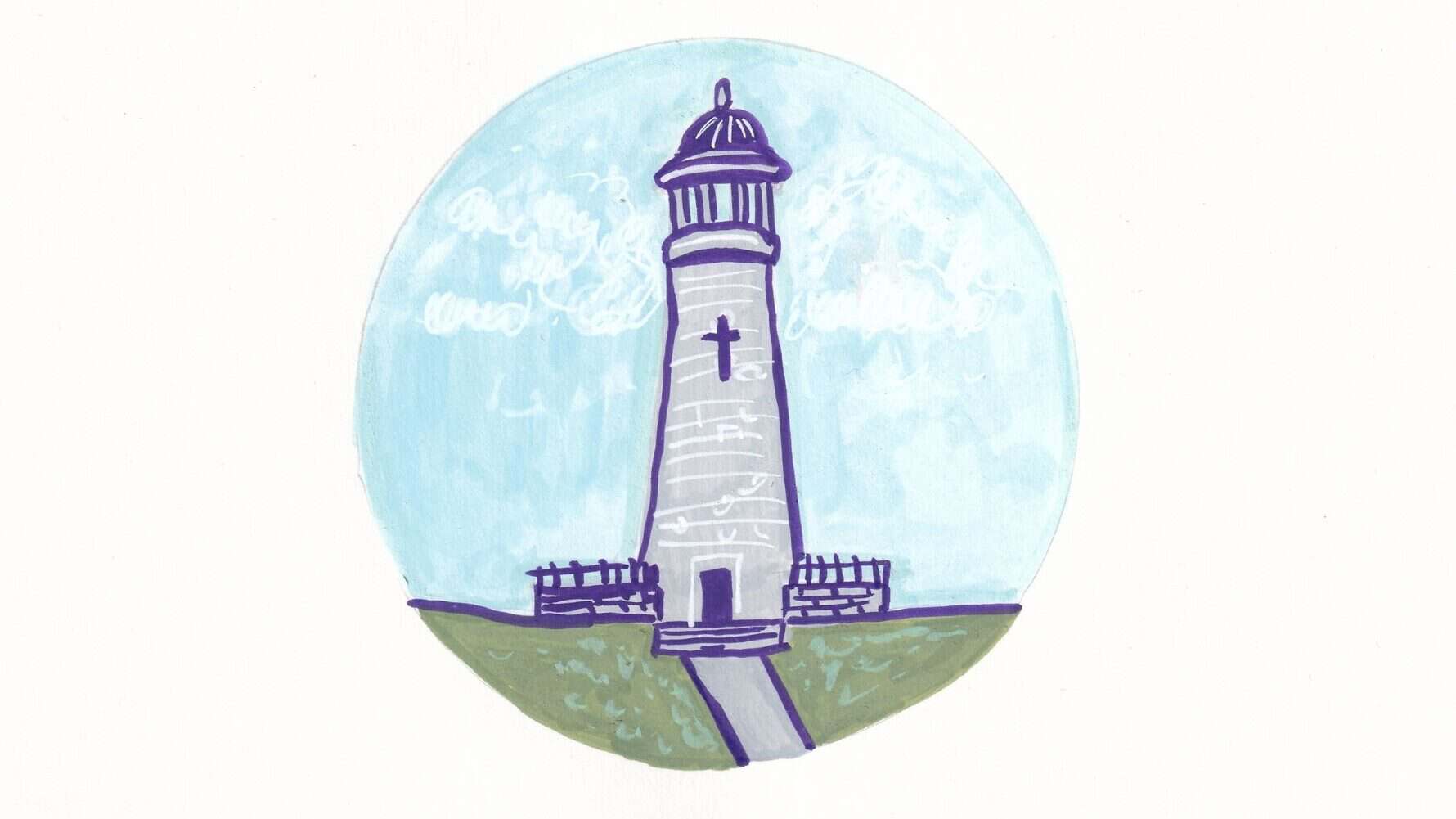
The Crich Memorial Tower stands on a hill above the village. You can climb the stone steps to reach the top of the memorial tower and on a clear day you may be able to see Lincoln Cathedral 40 miles away.
There is an amazing bakery in the heart of the village called the Loaf that sells freshly baked cakes and bread.
Eyam
Eyam is a small village famous for its extraordinary act of self-sacrifice during the Black Death of 1665. The plague arrived in the village in a box of fabric sent from London. The villagers decided to seal off the village to save the surrounding villages and 260 villagers died from the plague.
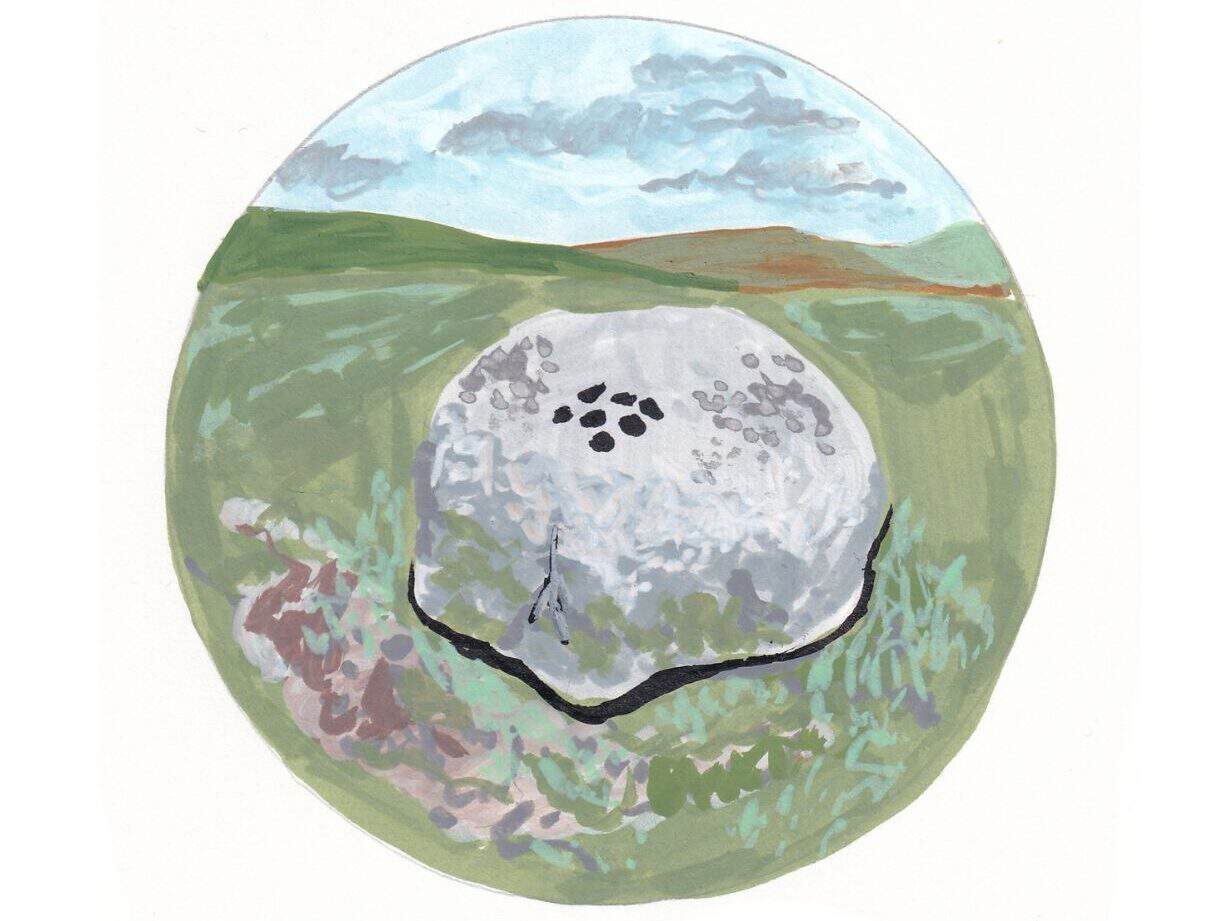
At first glance, the Boundary Stone looks like an ordinary boulder. Yet this large stone played an extraordinary role in Eyams history. During the plague, villagers left vinegar soaked coins in its carved holes to pay for essential supplies, creating a safe exchange that helped protect surrounding communities.
Eyam has its own plague museum and there are plague cottages with plaques that tell the story of the families at the time of the plague. The church of St Lawrence honours the sacrifice of the villagers with a large stained glass window telling the story of the plague in Eyam.
Eyam is one of the most historically significant villages to visit in Derbyshire.
Matlock
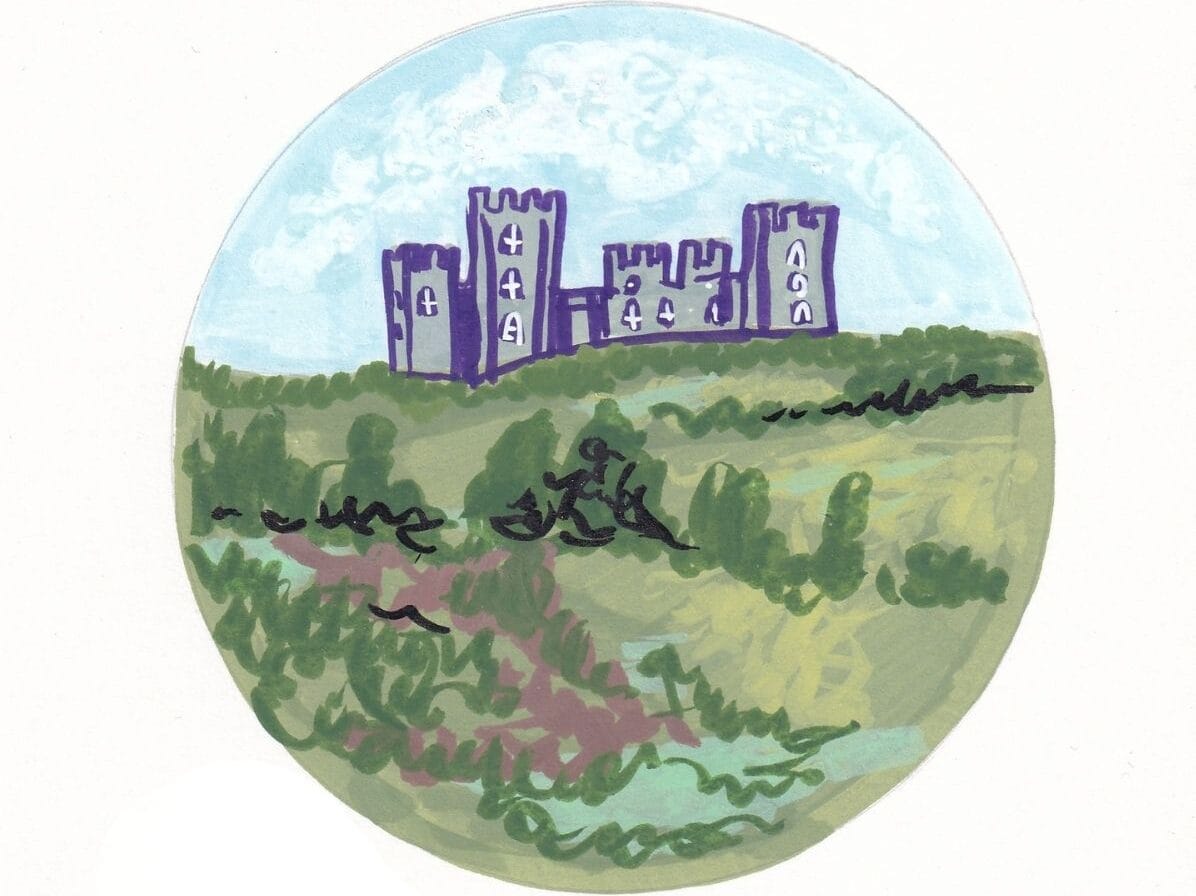
Matlock is a small town with a folly castle on the hill that dominates the skyline. Riber castle has been a school, wildlife park and is now residential flats.
Matlock is the setting of 2004 film Dead Man Shoes.
Matlock is built around a large park called Hall Leys Park. In 2025 the park received its 18th Green Flag award making it one of the highest rated parks in the country. The park is home to a cafe, a skating park, a boating lake, a miniature railway and a clock tower. On a special platform on matlock train station, Peak Rail run magical Steam Train rides.
From ancient villages with remarkable histories to lively market towns and beautiful natural landscapes, Derbyshire is a county full of interesting places to explore.
Whether you enjoy historic streets, unusual rock formations, or places with fascinating stories and local legends, each of these towns and villages has something different to offer.
If you’re planning a trip to Derbyshire, take your time and enjoy discovering what makes each place special. Sometimes the most memorable experiences are the small details you find along the way.