Ready to escape the everyday by stepping back in time ?
Imagine what it would be like to experience the past in ancient buildings suspended in time. I created this guide to 10 historical buildings in Derbyshire so that you will never miss out on experiencing the pubs, country houses and hotels that ring with stories of the past.
Chatsworth House
Chatsworth House is a 340 year old country house that is arguably the most magnificent historic house in Derbyshire . Our very own palace of the peaks is a love letter to every luxury that the past could offer. The sheer size of Chatsworth makes it a historical wonderland of golden royal thrones, decadent sweeping staircases and rooms filled with magical white marble sculptures.
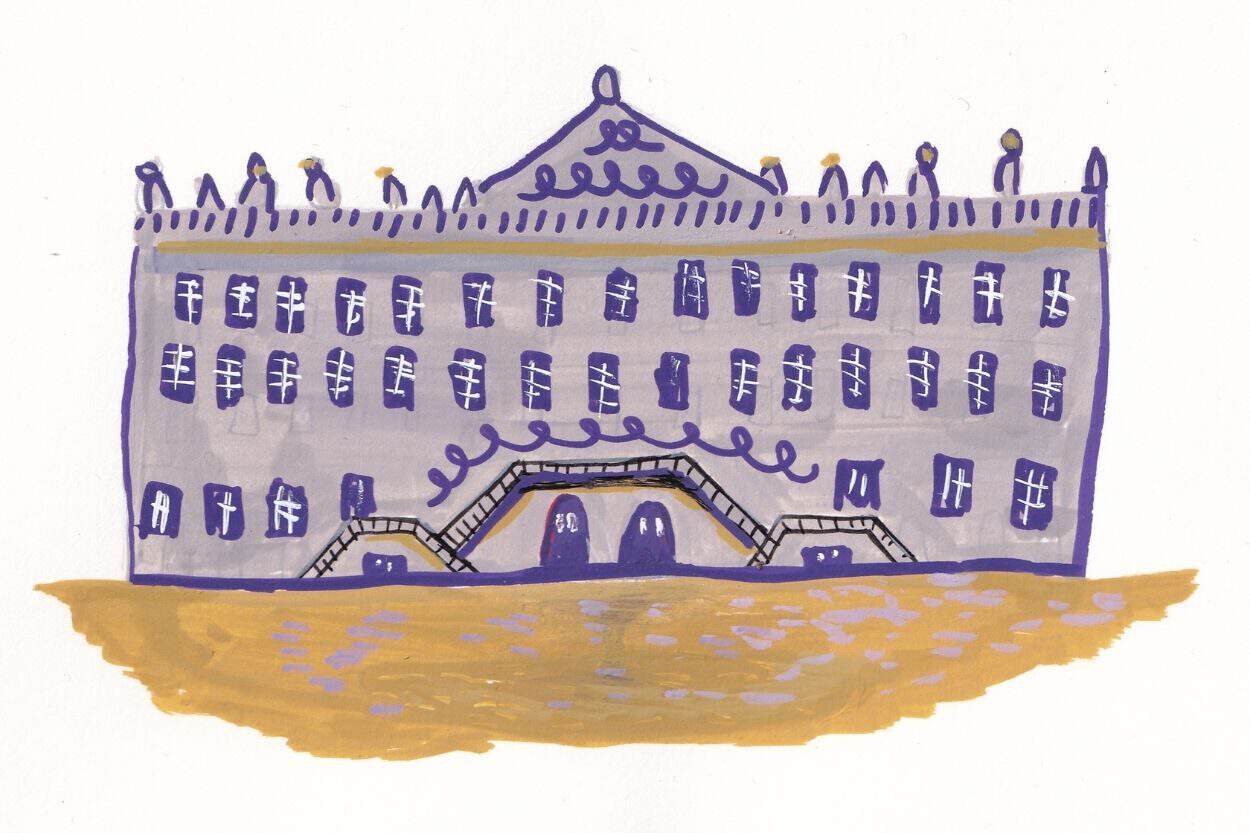
Chatsworth house is embraced by acres of fantastical gardens. A lush green maze made of 1,200 yew trees makes this garden a fantasy playground. Breathtaking fountains shoot water up into the sky and down over 300 year old stone steps. Chatsworth casts a dreamlike spell over its visitors with a resident herd of red deer roaming through the sweeping green landscape.
Haddon Hall
Haddon Hall is a medieval country house that is around 900 years old. At Haddon, the history radiates from its ancient stone walls. Haddon Hall stood largely unoccupied between 1700 and 1920, helping to preserve it as one of the most remarkably unchanged historic houses in England. Haddon stands defiantly against the change of time as fresh blooming roses cascade down its ancient stone walls.
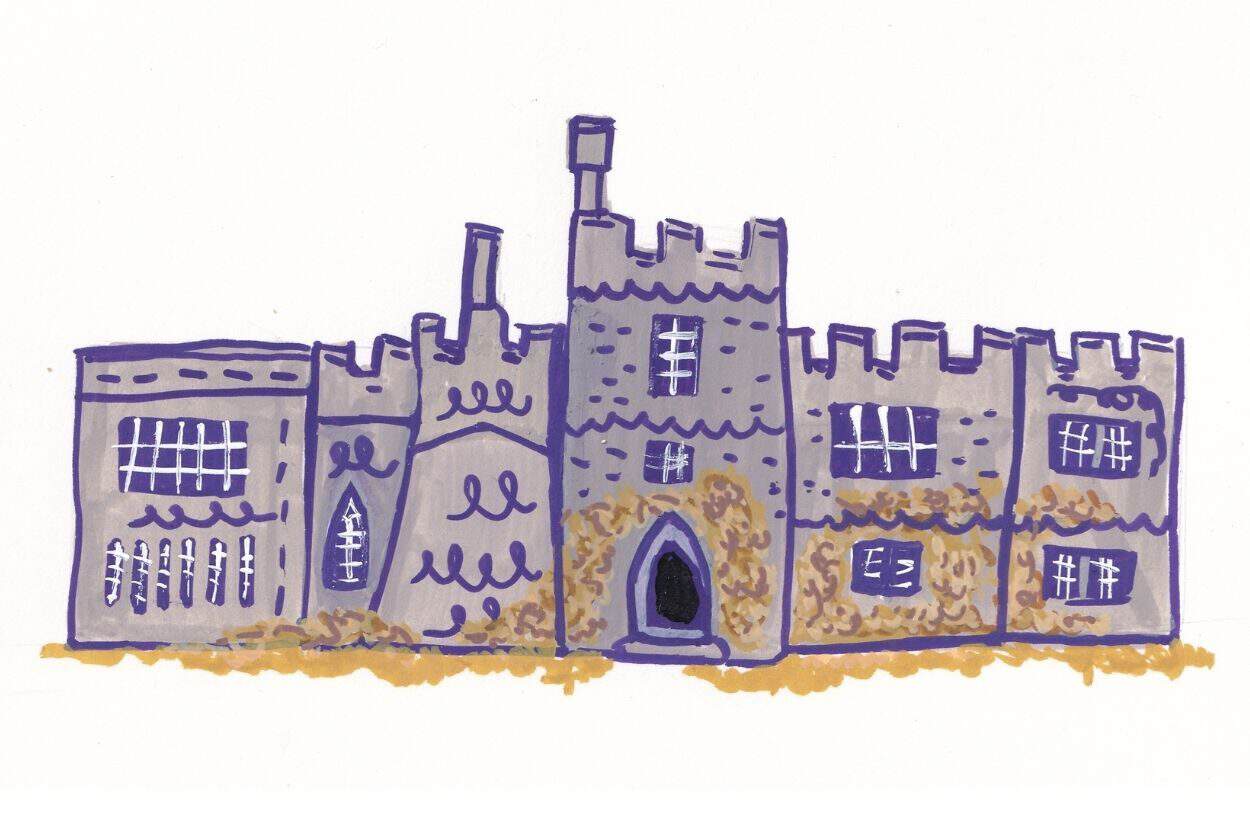
In the medieval banqueting hall hangs a grand tapestry gifted by King Henry VIII on one of his visits to Haddon.
At the heart of the house is one of its most magical secrets. The oldest medieval kitchen in the country is decorated with centuries of old knife and scorch marks on the wooden worktops. This ancient and untouched kitchen could tell a thousand stories of banging pots, whispered gossip, chopping on slabs of wood, roaring open fires and thousands of hurried footsteps on stone floors.
Kedleston Hall
The only reason Kedleston Hall was built 261 years ago was to impress its guests. The opulent house with its giant marble columns, high ceilings and gold domed ceilings was designed to make jaws drop.
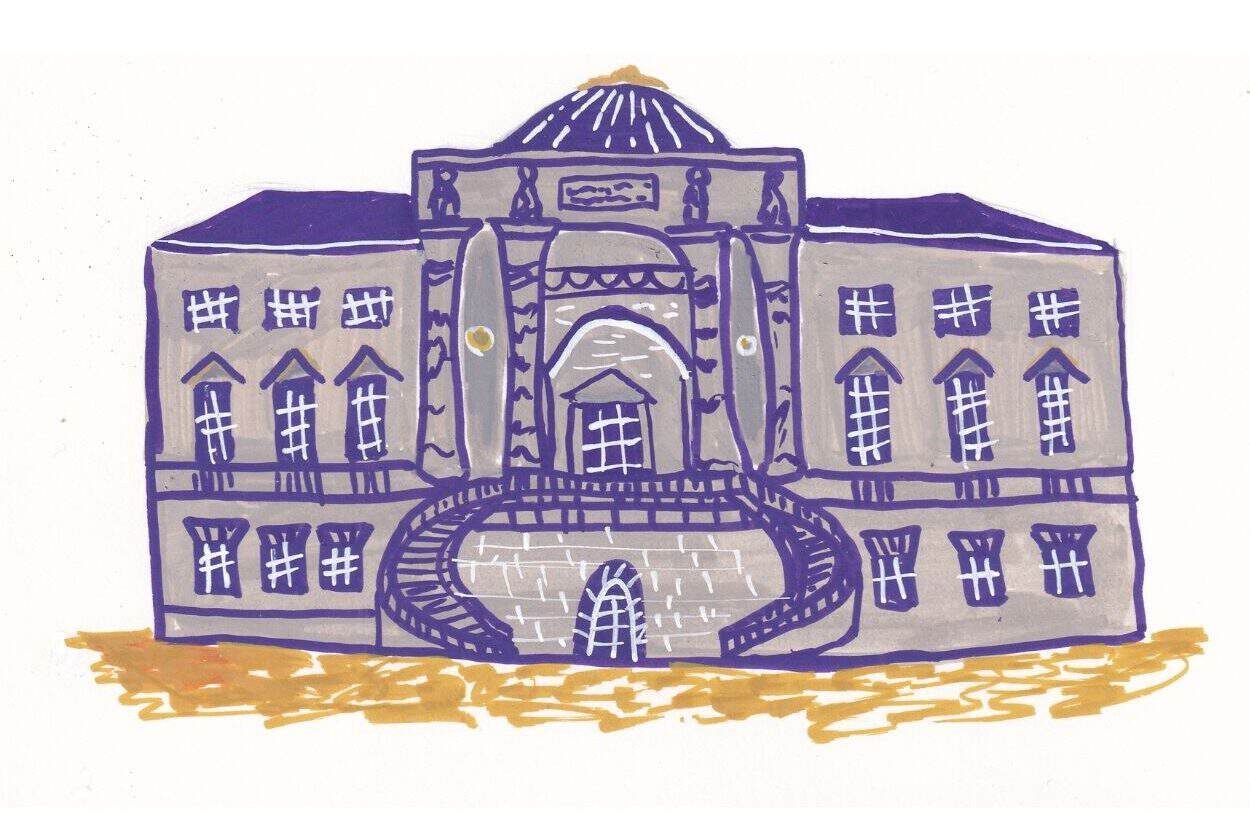
The medieval village of Kedleston was moved to make way for a country house at this site with only the church remaining. A great country house complete with a huge man-made lake was constructed. After only 70 years, the original house was deemed insufficiently grand and was demolished to make way for the spectacular Kedleston Hall that stands today. Kedleston Hall dazzles the senses with pink marble, rich turquoises, powder blues and lashings of gold.
Calke Abbey House
Calke Abbey is a 320 year old country house that feels like it has been forgotten in time. Surrounded by ancient oak trees it feels like sleeping beauty’s castle with many rooms remaining unchanged for over 140 years.
The rooms have a dreamlike quality with walls of peeling paintwork and the staring eyes of taxidermy birds and animals in glass cases.
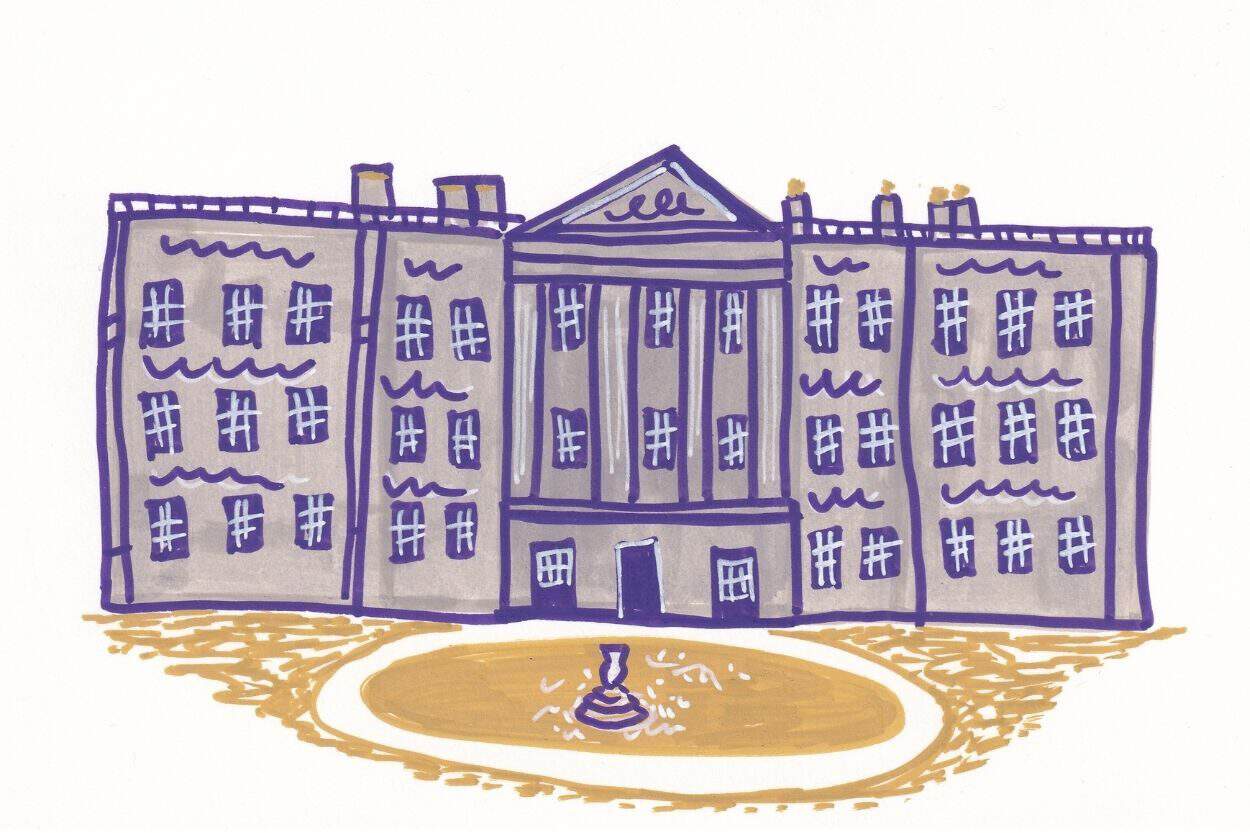
The gardens of this extraordinary house increase the feeling of being in a fairytale. Lush plants grow against faded walls under a domed glass ceiling in the orangery greenhouse. Under the house is a series of ancient tunnels to explore that were built to keep the servants out of sight.
Bolsover Castle
High on a hill, Bolsover Castle has stood proudly against the sky for over 400 years. Built to impress, the castle features soaring pillars that rise towards the ceiling like giant stone trees.
The star chamber is a dazzling room with an enchanting blue ceiling with hundreds of golden stars. Grand stone fireplaces were made from local stone that is packed with fossilised shells.
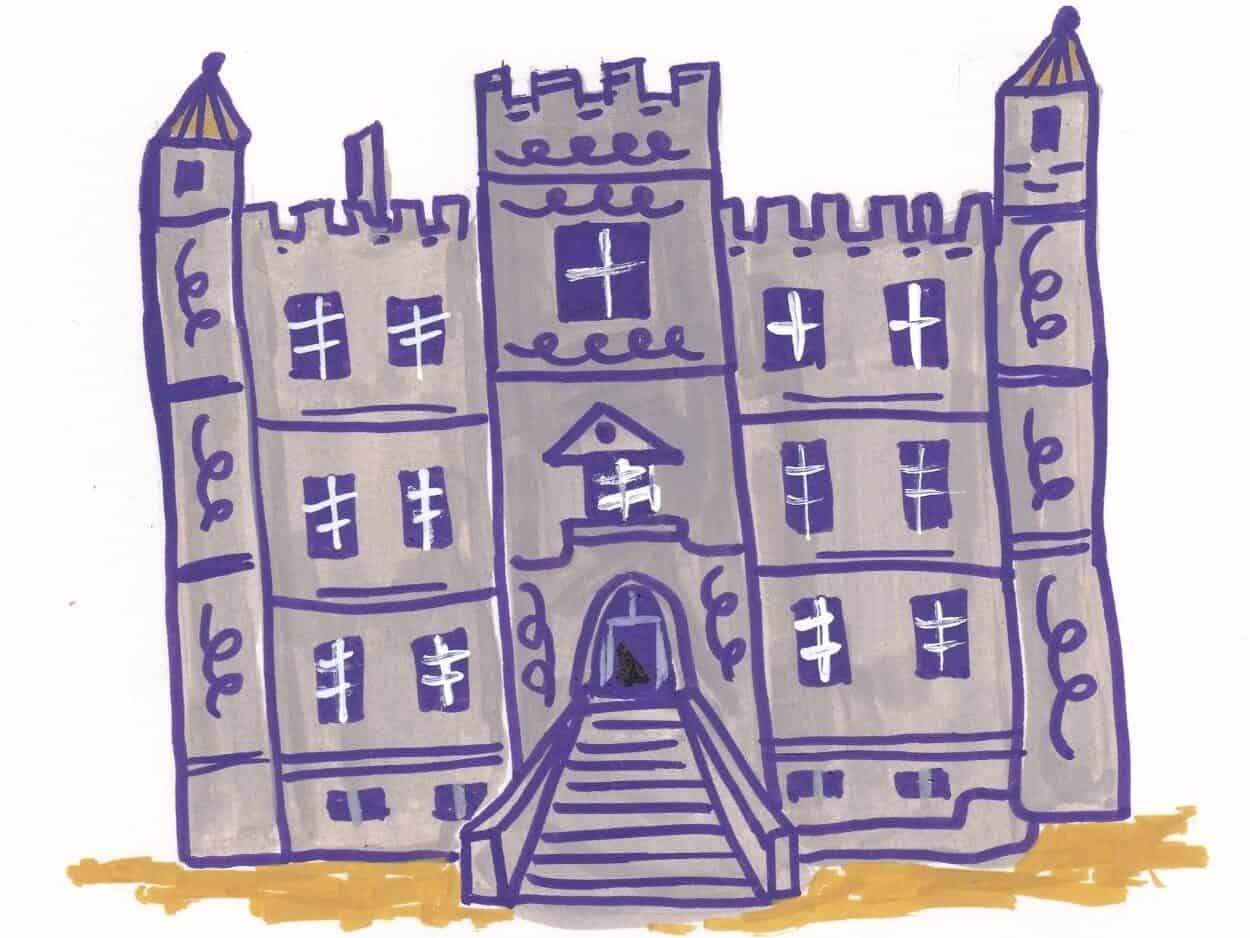
In 1634 King Charles I came to Bolsover castle for lavish banquets. There are surprises everywhere in this castle and in the gardens there is a very unusual fountain. The Venus fountains show Venus emerging from the bath surrounded by cherubs weeing into the fountain.
Hardwick Hall
Hardwick Hall was built 428 years ago by Bess of Hardwick, one of the richest and most influential women in Elizabethan England. The house was designed as a display of wealth, with vast expanses of glass at a time when glass was one of the most expensive building materials available. Hardwick Hall was regarded by locals as Hardwick Hall, more glass than wall.
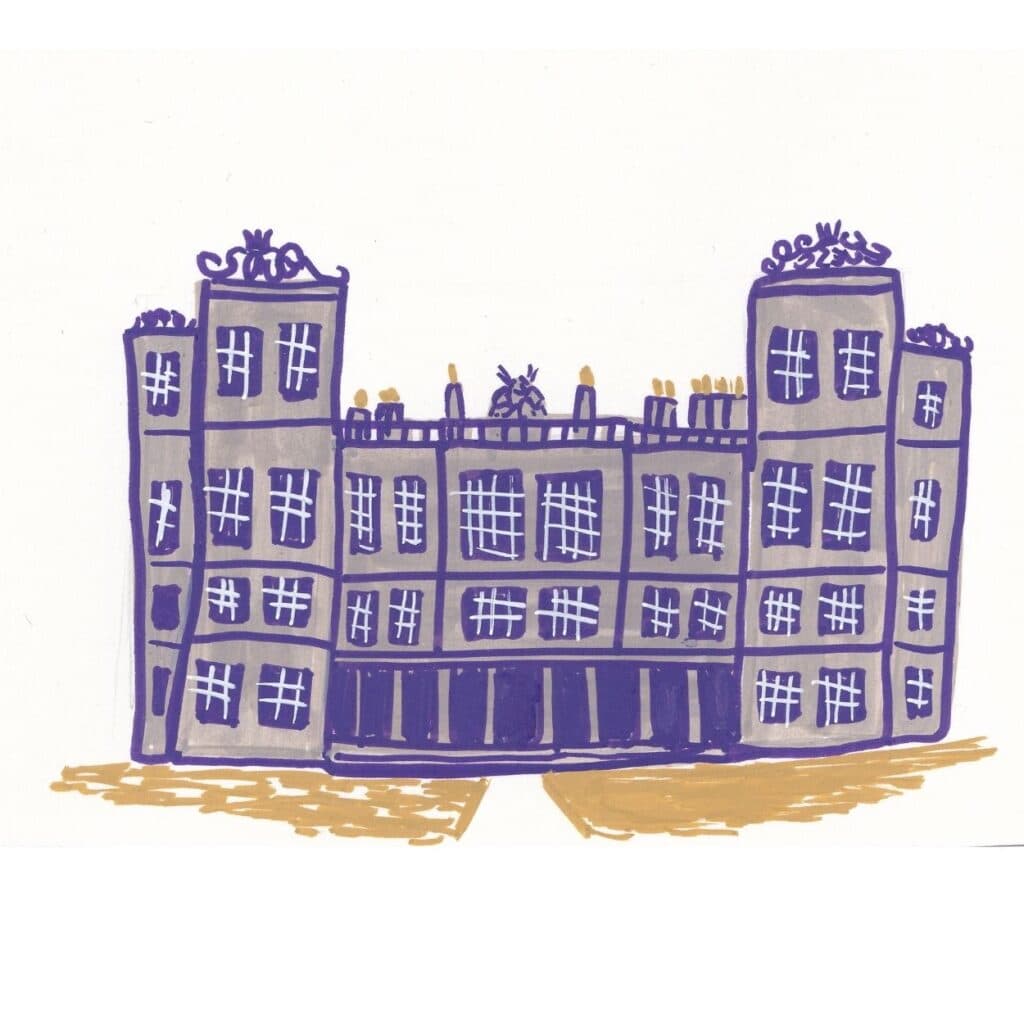
Hardwick Hall is a dazzling building with shimmering golden stonework and unusually high amount of windows. Hardwick hall has one of the oldest and finest herb garden in the country and the scent of lavender and sweet herbs hangs heavily in the air.
The lavish amount of windows lets in lots of light that lights up the elaborate ceiling to floor tapestries, giving an enchanting display.
Eyam Hall
Eyam Hall is a manor house built 354 years ago. The village of Eyam is famous for stopping the spread of the plague by isolating themselves. The plague swept through the village, claiming around 260 lives.
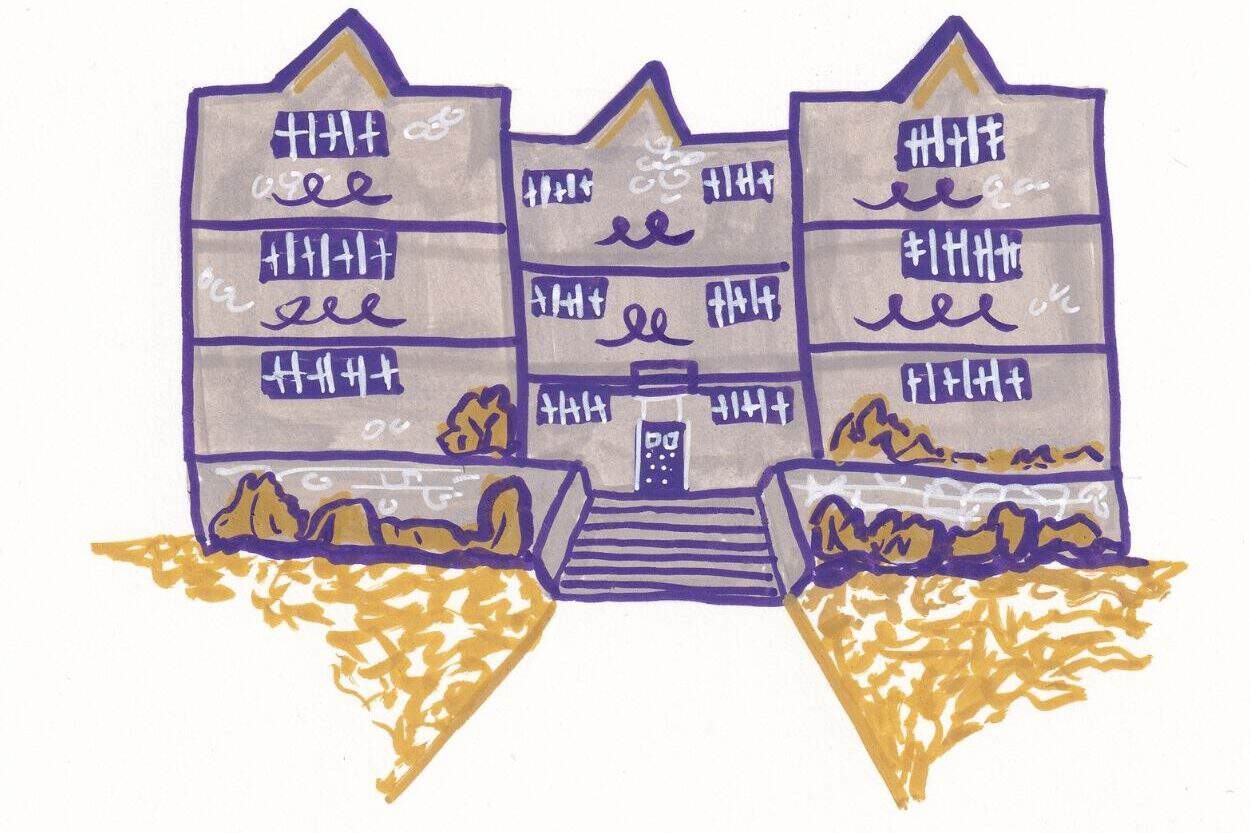
Eyam Hall was built 6 years after the end of the plague as a wedding gift. This symbol of hope and love still stands proudly today and in the old stables is a vibrant craft village. The love poem carved into 1 of the window panes is one of the many romantic features of this house.
Old Bell Hotel
Located in the heart of Derby city centre, the Old Bell Hotel is one of Derby’s oldest buildings and dates back more than 370 years. The Old Bell is a gorgeous building and you can feel the age in the white walls and black timber beams.
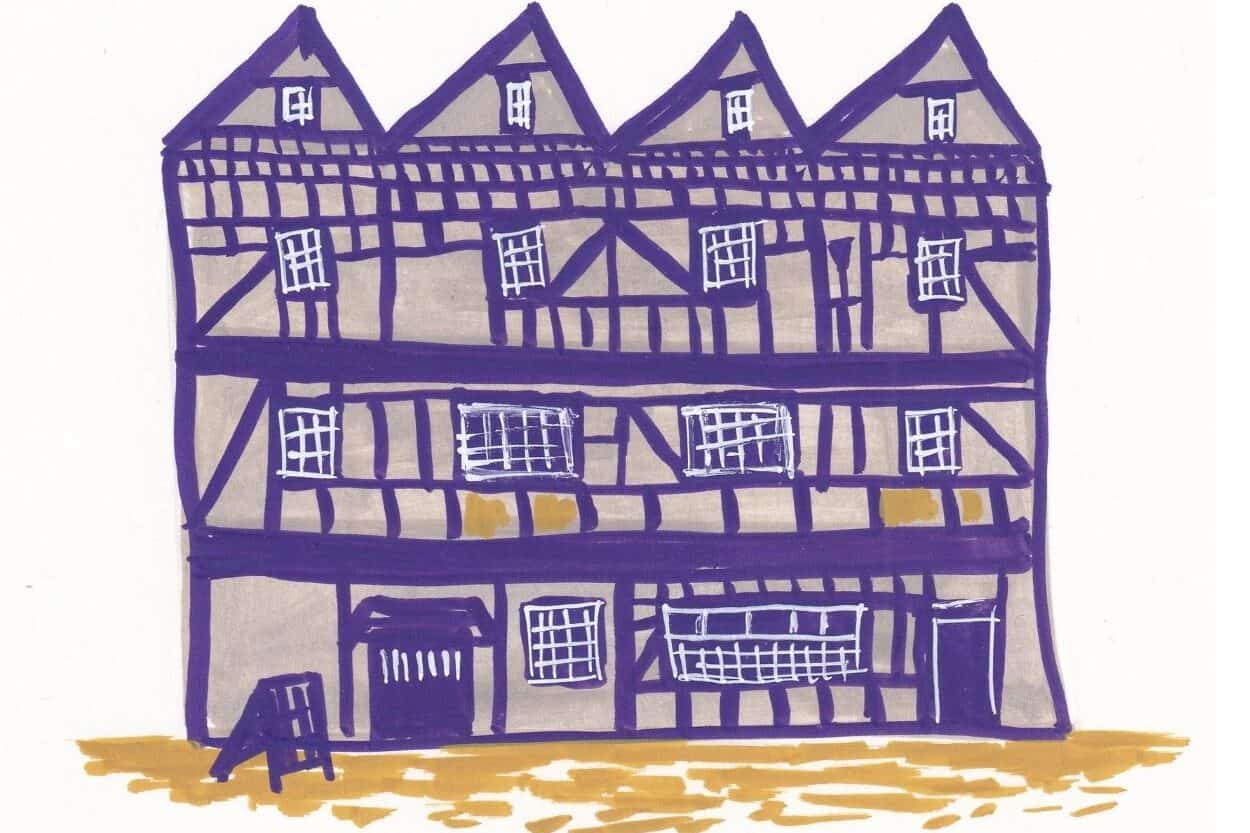
In its past this coaching inn was the most popular and celebrated inn outside of London. This is Derby’s last surviving coaching inn and the building can tell stories from time past when it was used as a mail house, courtroom and doctors surgery. History radiates from every wall and tunnels deep in the cellars stretch out all over the city.
Old Hall Hotel, Buxton
The Old Hall hotel is a 453 year old hotel that was built to hold Mary Queen of Scots. Buxton is the highest market town in England and is famous for its healing thermal waters and snow filled winters.
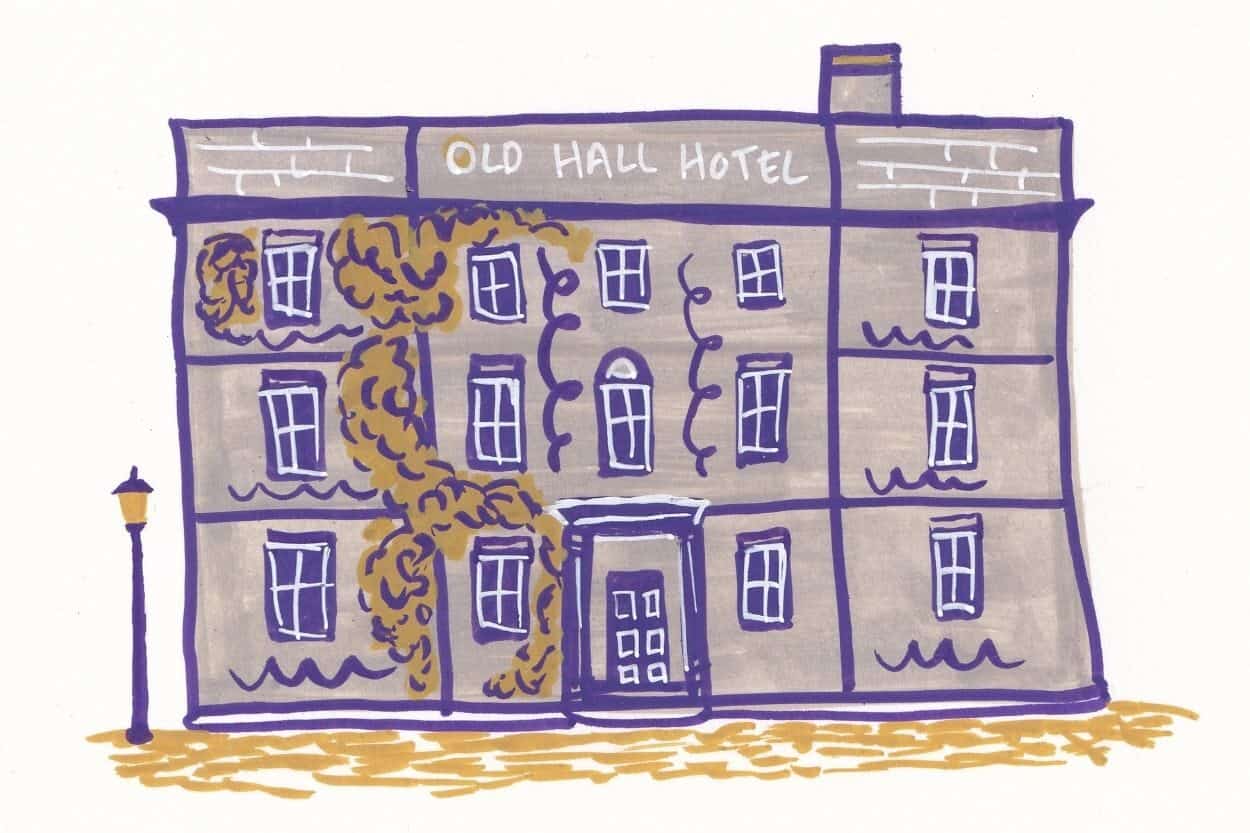
This proud hotel is rumoured to be the oldest in England and was built on the site of a natural warm spring. Room 26 was the room where Mary Queen of Scots stayed during her regular visits. Mary’s last visit to the hotel was in 1584, just 2 years before her execution. On the window of room 26, Mary engraved a goodbye message to Buxton with a diamond ring.
Hollybush Inn, Makeney
A charming ancient pub that is approximately 300 years old. The Hollybush gets its name from the ancient practice of hanging a bush of holly above the door of a tavern to tell travellers that they could buy alcohol there.
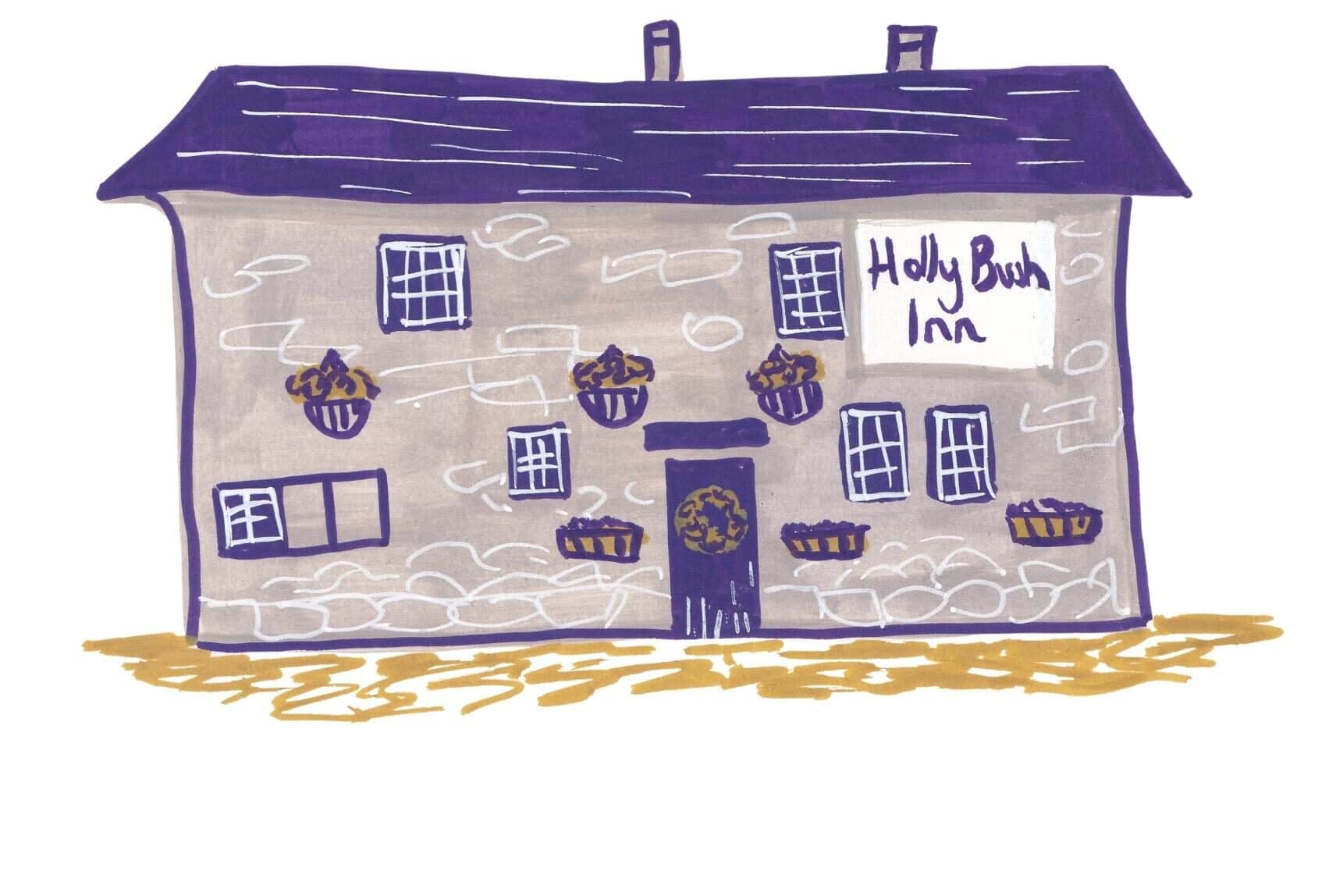
The Holly bush is an ancient building with an open fire and low ceilings where time feels like its stood still. This inn is rumoured to be a favourite pub of Highwayman Dick Turpin.