Derbyshire is renowned for its outstanding natural beauty. If you’re ready to escape into peaceful landscapes, dramatic scenery, and fresh countryside air, this guide is for you. Home to much of the rugged and magical Peak District National Park, Derbyshire offers some of the most beautiful natural attractions in England. Derbyshire offers some of the most beautiful places in the UK for walkers, photographers, and nature lovers.
Black Rocks
Black Rocks is an area of dramatic rock formations that form cliffs surrounded by woodland. These rocks have watched the seasons pass here for over 300 million years.
A short but steep climb gets you to the edge of the cliff made from these ancient stones. At the top of the cliffs nothing breaks your view of rolling green land and endless sky. The sky is so huge at the top of the rocks that you feel like part of the sky and a stranger to the land below.
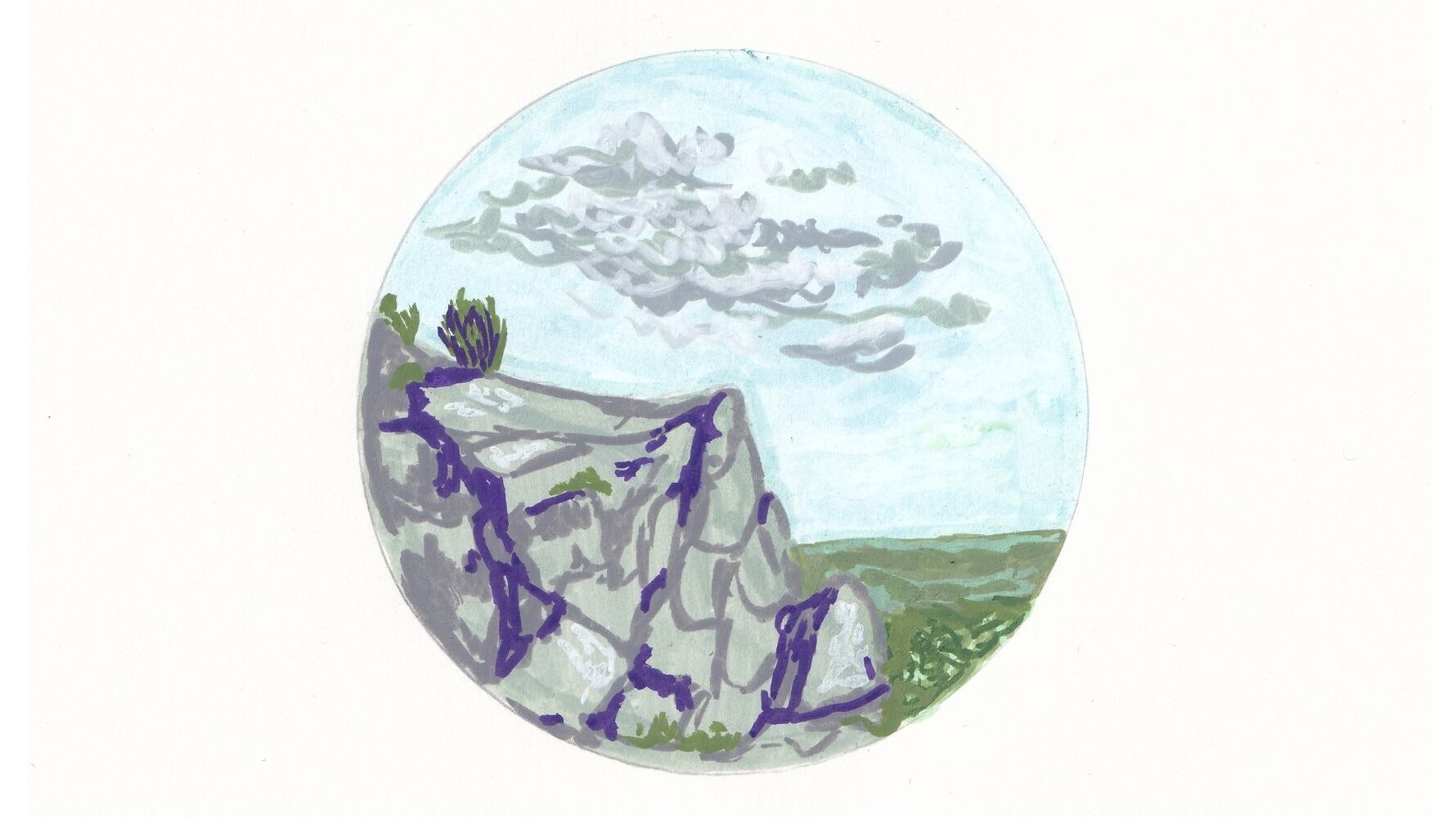
From this lofty viewpoint, you can watch the weather transform in moments, from piercing blue skies to dramatic storm clouds and back again. Above it all, the ancient rocks remain unchanged, silently observing the passing centuries. Black Rocks is one of the most dramatic and beautiful places in Derbyshire for panoramic views.
Dragons Back
In a land of endless soft grassy hills and vast sky, an ancient dragon sleeps. His slumbering body is wrapped in soft grass and guarded by ancient trees.
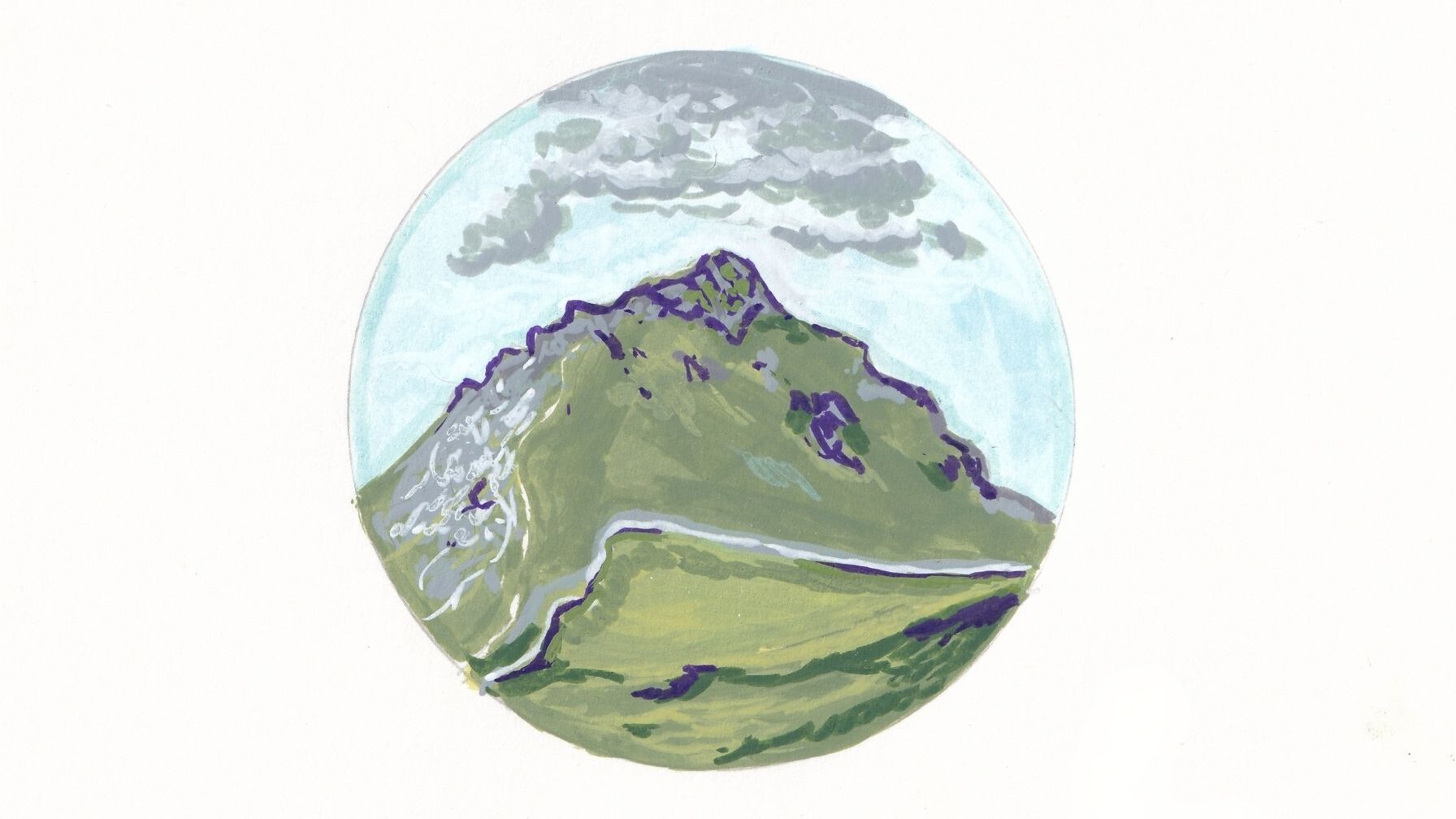
The dragon’s sleeping form is said to be the series of limestone hills that rise from the surrounding landscape. For adventurous walkers, the steep climb to the summit feels like scaling the back of a sleeping giant.
Lumsdale Waterfalls
The woodlands on the outskirts of Matlock hide a secret. In a hidden rocky corner lives a fairytale waterfall. Water cascades over ancient rocks beneath the dappled green light of the woodland canopy.
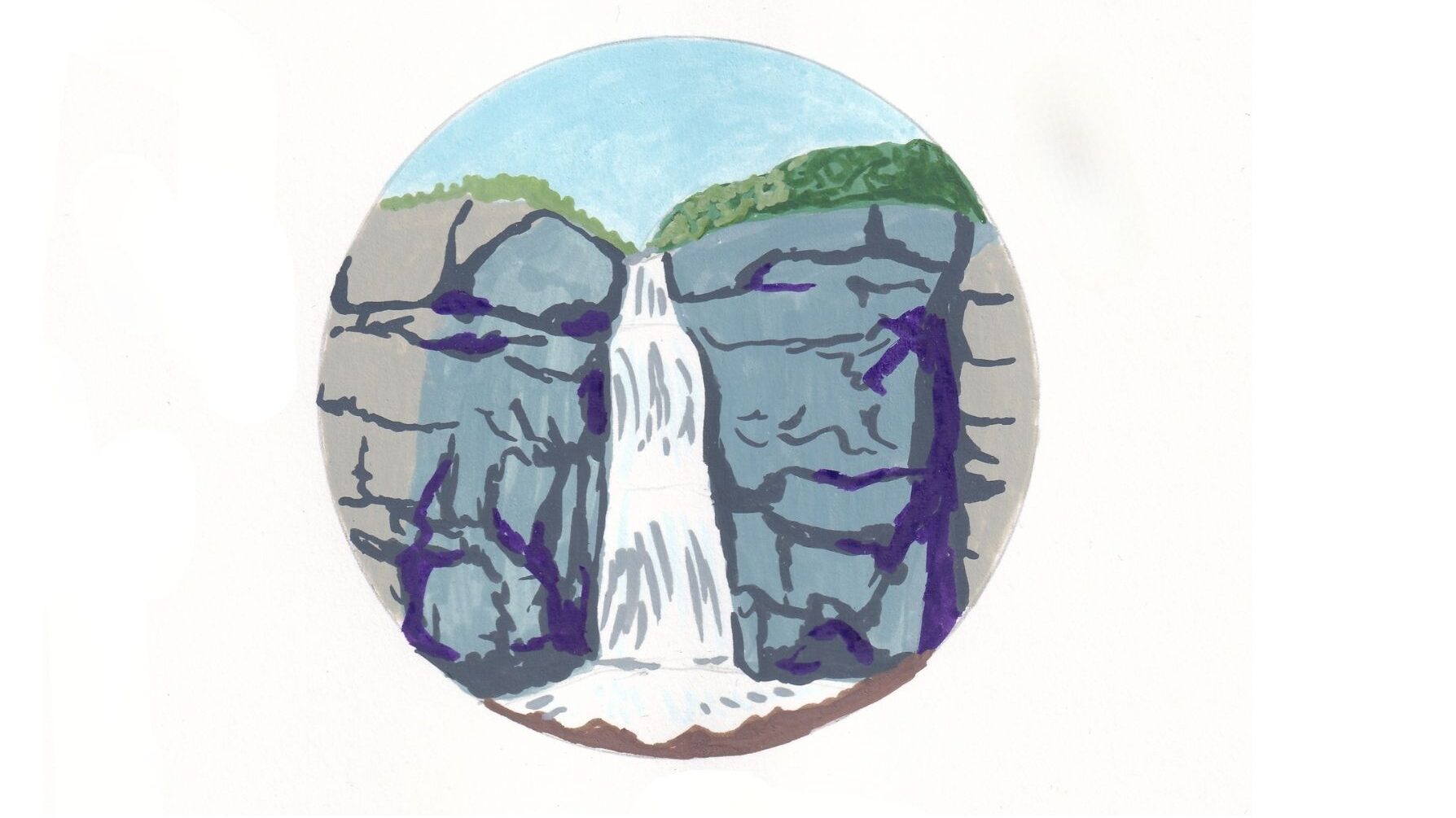
The waterfall is surrounded by the ruins of 6 old stone mills that are disappearing into the land. These mills were bustling sites of industry until the 1930s. Now they lie abandoned and sleeping, the noise now is the rush of the waterfall and the echo of birds calling to each other.
Lumsdale is one of the most enchanting beautiful places in Derbyshire, combining waterfalls, woodland, and industrial history.
Dovedale Stepping Stones
At the bottom of the tall craggy limestone hills runs the River Dove. The Victorians laid stepping stones across the river and these 16 limestone steps have remained. Crossing these stepping stones takes you over the border from Derbyshire to Staffordshire which makes them feel even more magical. These are sturdy stones that rise from the river bed.
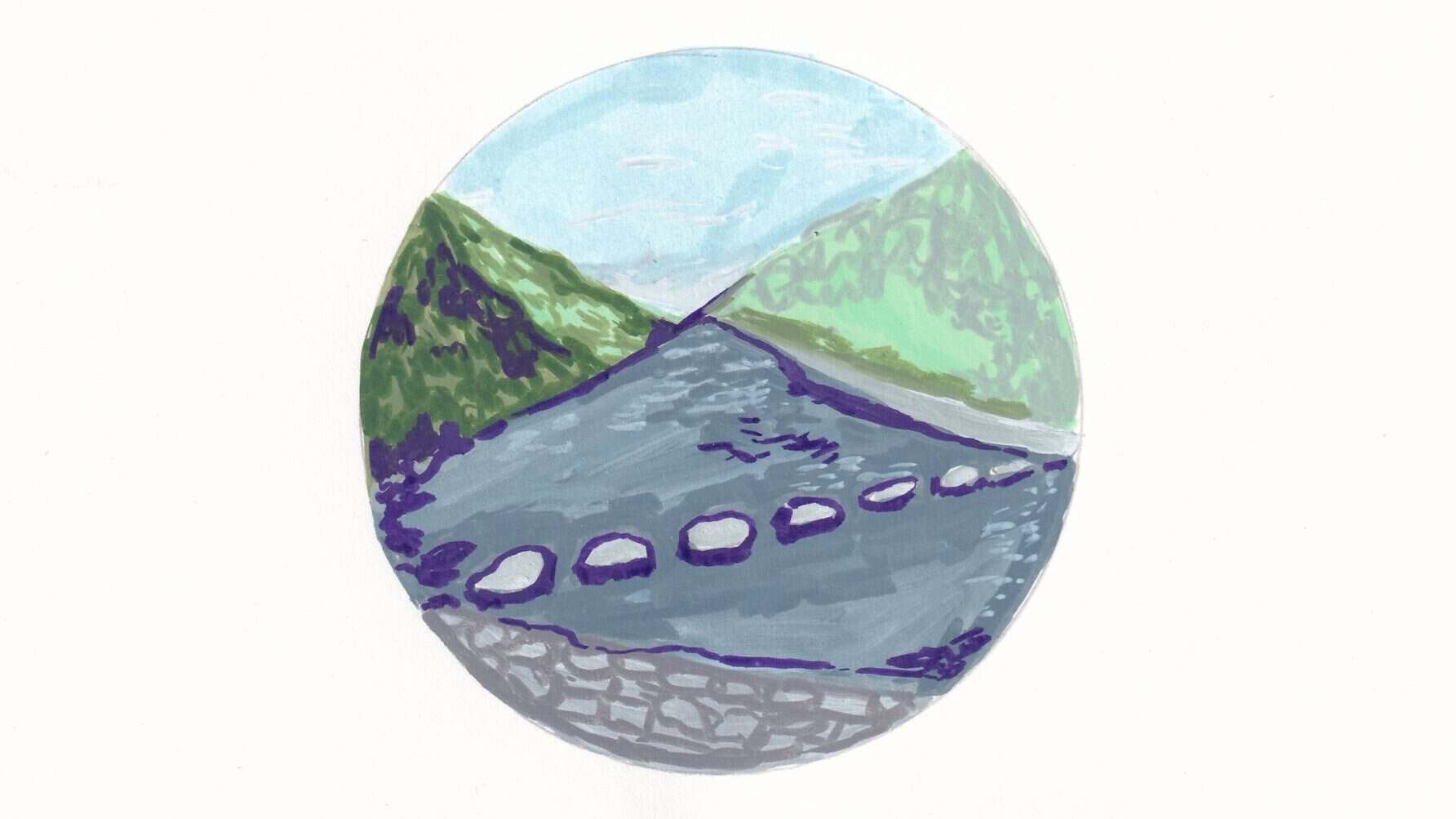
Dovedale was a very popular tourist destination for Victorians who would take donkey rides along the river. The air is sweet with the scent of the wild flowers that grow along the river. If you are lucky then maybe you’ll find the rare wild growing Lily of the Valley here.
Ladybower
Ladybower reservoir is a vast man-made lake with still, blue water that mirrors the sky above. At the time of its construction Ladybower was the largest reservoir in the country.
Under the peaceful waters lie 2 lost villages of Derwent and Ashopton. When the water levels are low, the lost buildings of Derwent appear from below the water. The reservoir is home to 2 huge 80 ft wide stone plugholes which release water if the reservoir gets too full.
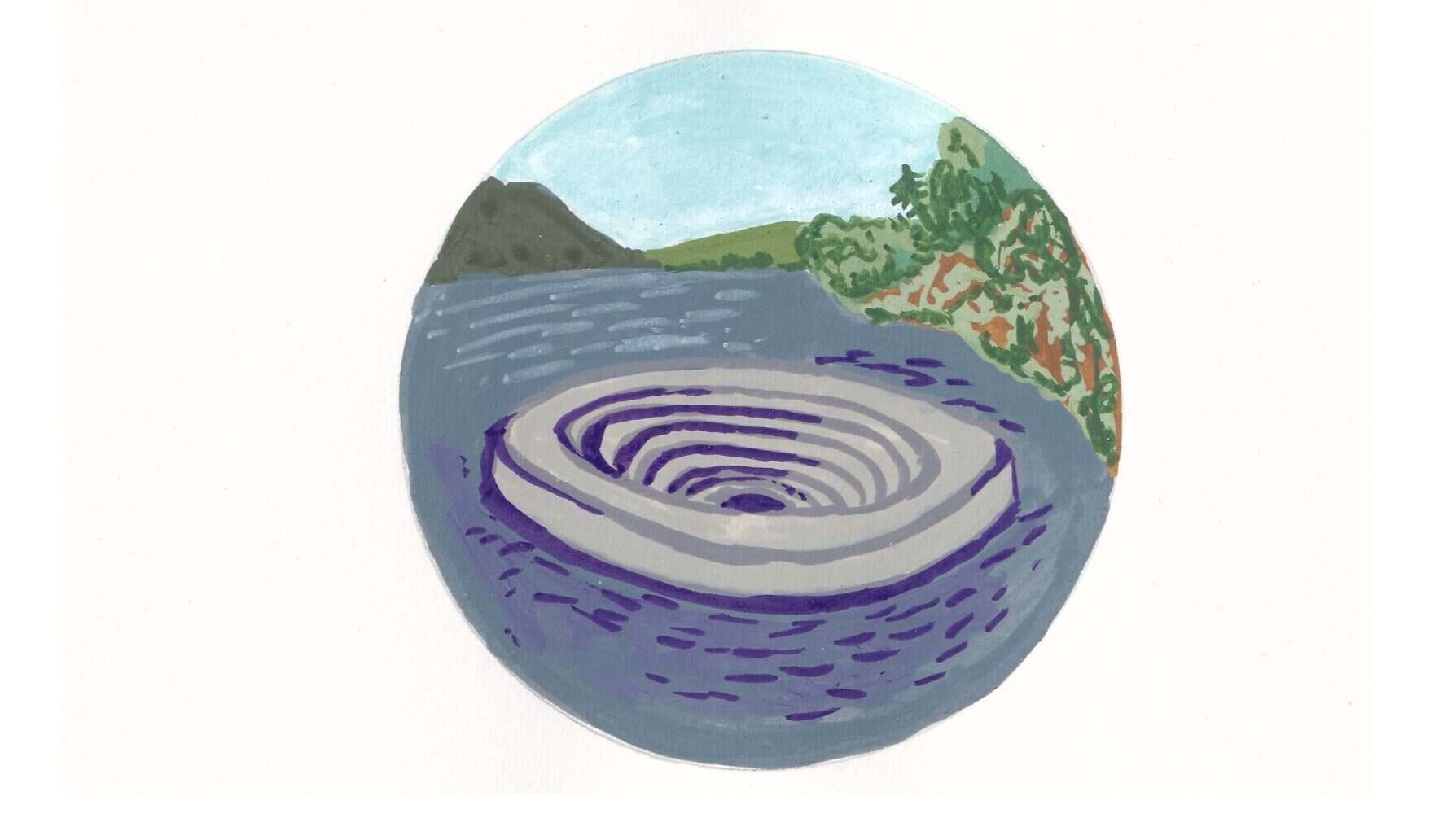
Ancient oak trees and heather filled purple moorlands surround the reservoir. Red grouse and mountain hares hide in the rugged heather moorland and bracken. Ladybower Reservoir is often considered one of the most beautiful places in Derbyshire thanks to its vast waters and surrounding moorland.
Poole’s Cavern
Poole’s cavern is a 2 million year old natural limestone cave. This ancient cave is like a palace in rock with stone icicles hanging from grand ceilings. The cathedral sized chambers have glittering mineral walls. On a tour of the cavern you may be lucky enough to spot a sleepy bat roosting high up in rock crevices.
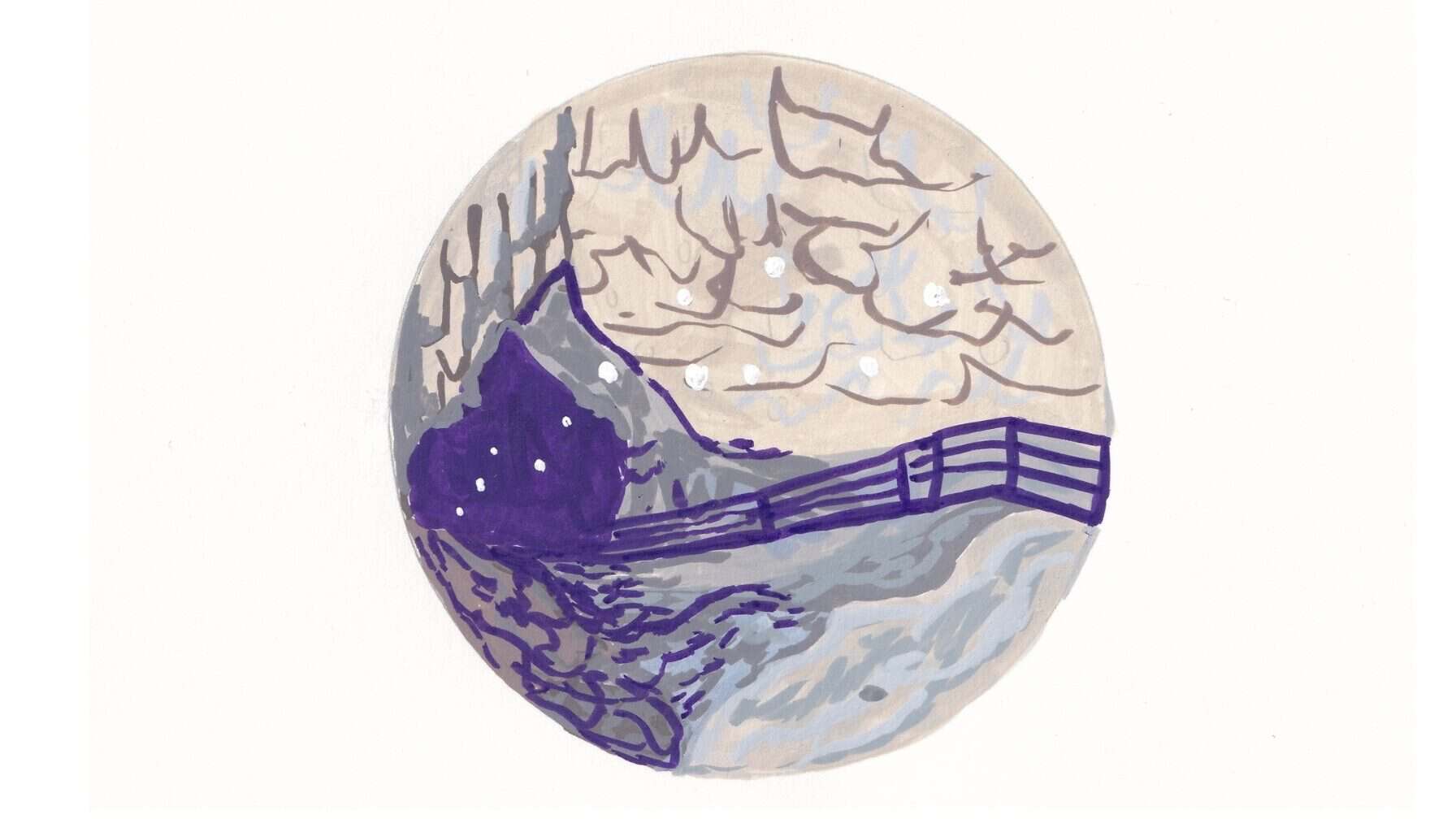
The cavern was named after an outlaw called John Poole who used the cave as a base to rob travellers hundreds of years ago. Mary Queen of Scots visited the cavern around 1582 and a large rock formation was named in her honour.
Carsington Water
Carsington water is a vast man made reservoir and is deep enough to stack 7 double decker buses in its deep waters. The calm of the water hangs in the air and there is a tranquil circular trail around the water (8 miles).
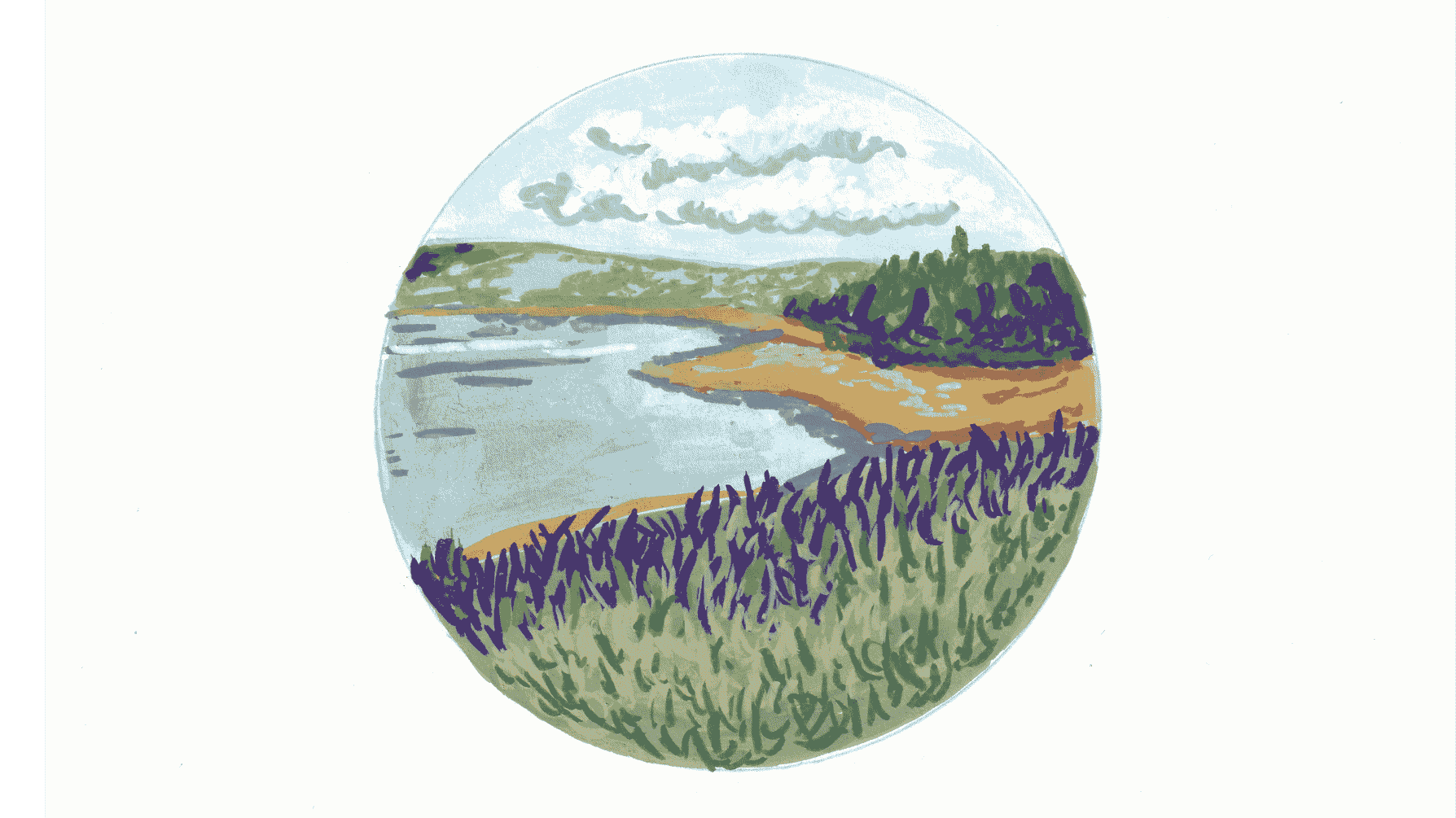
The water is full of wildlife and dragonflies dart around the surface. Being the largest body of water in Derbyshire, birds flock here.
As Derbyshire’s largest body of water, it attracts an impressive variety of wildlife, including Kingfishers, Oystercatchers, Red Kites, Whooper Swans, and Buzzards.
Mam Tor
Mam Tor means Mother Hill and is a 500 metre high hill. Mam Tor towers over the smaller baby hills. Mam Tor was home to Celtic settlements around 1200 BC and ruins from the ancient settlements can still be seen here.
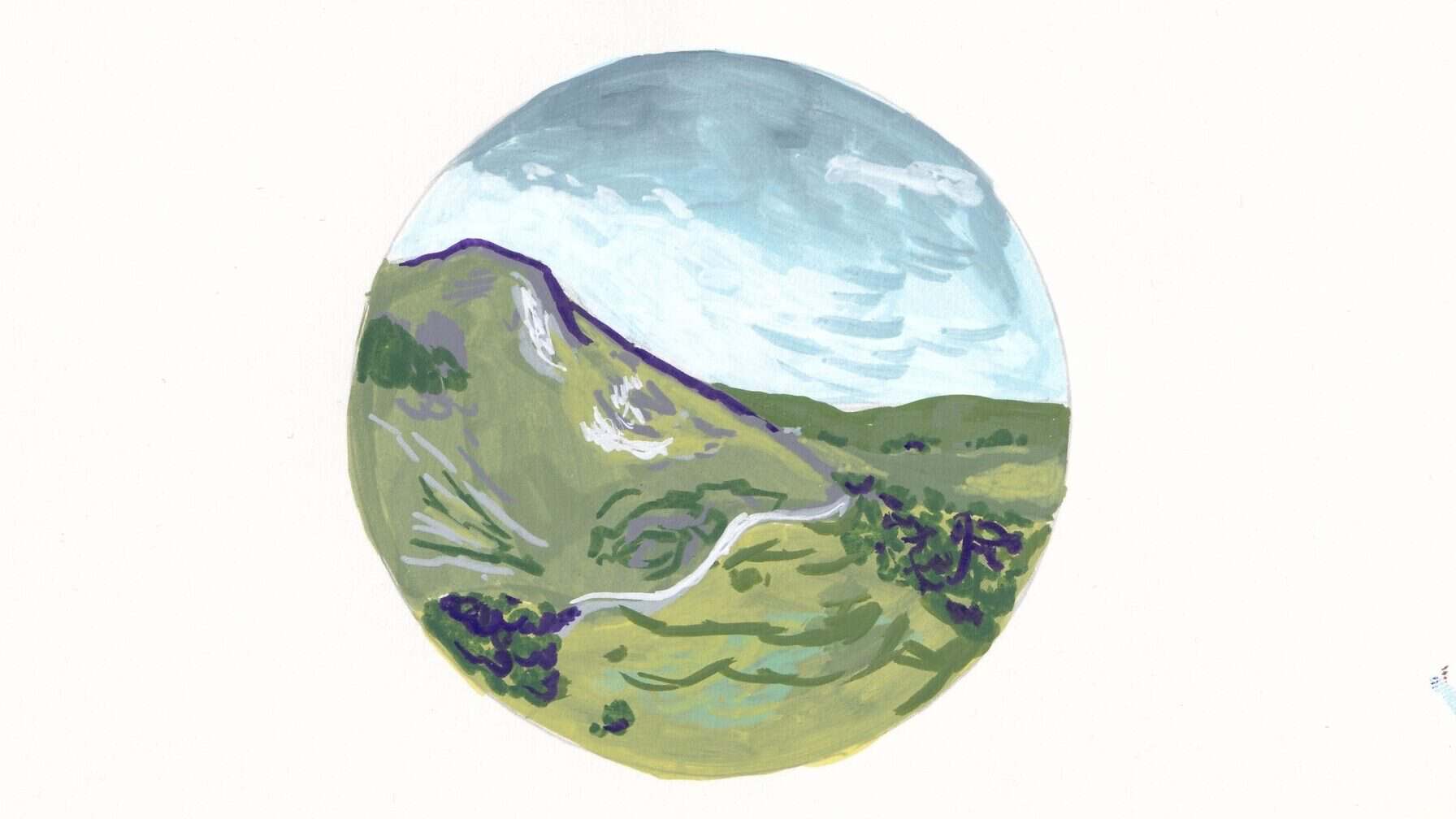
Mam Tor has had many names over the centuries and is also known as shivering mountain. The hill constantly shakes and moves and this movement is caused by unstable layers of shale rock. Big landslides over the centuries created the small hills that surround Mam Tor. This shivering mountain destroyed the nearby road A625 and it was abandoned in 1979 due to damage caused by landslides. The majestic mother hill stands powerfully above her baby hills she created and the road that she broke.
Millennium Walkway
The Torrs Gorge of ancient rock and old trees lines the flowing River Goyt. A remarkable bridge was built here in 1999 so you can access this ancient landscape.
Nicknamed the “steel spider’s web” by locals, the bridge appears to cling dramatically to the old railway wall while hovering above the rushing river below.
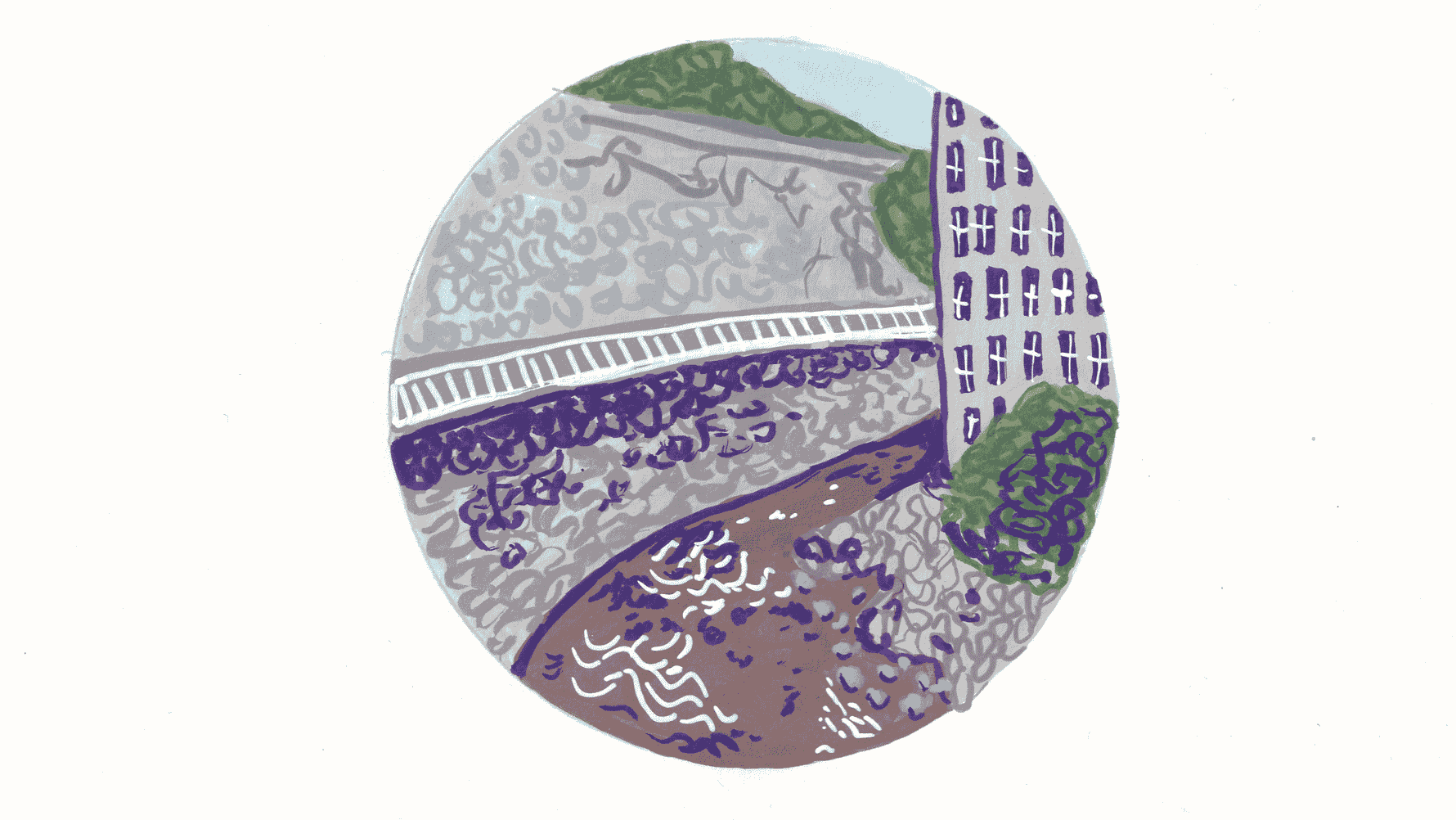
It is a magical combination of the ancient and the modern. After the bridge opened in January 2000, the Royal Mail featured the bridge in one of their stamp designs to celebrate the millennium.
Monsail Trail
The Monsal trail is a 8.5 mile walking and cycling trail that was once a railway line. The Monsal trail runs through 6 old railway tunnels and over a huge stone viaduct.
The trail was opened as a walking trail in 1981 and wildlife has flourished here ever since. The trail is home to bluebells, primroses and heather. Red grouse, skylarks and peregrine falcons can be seen along the trail.
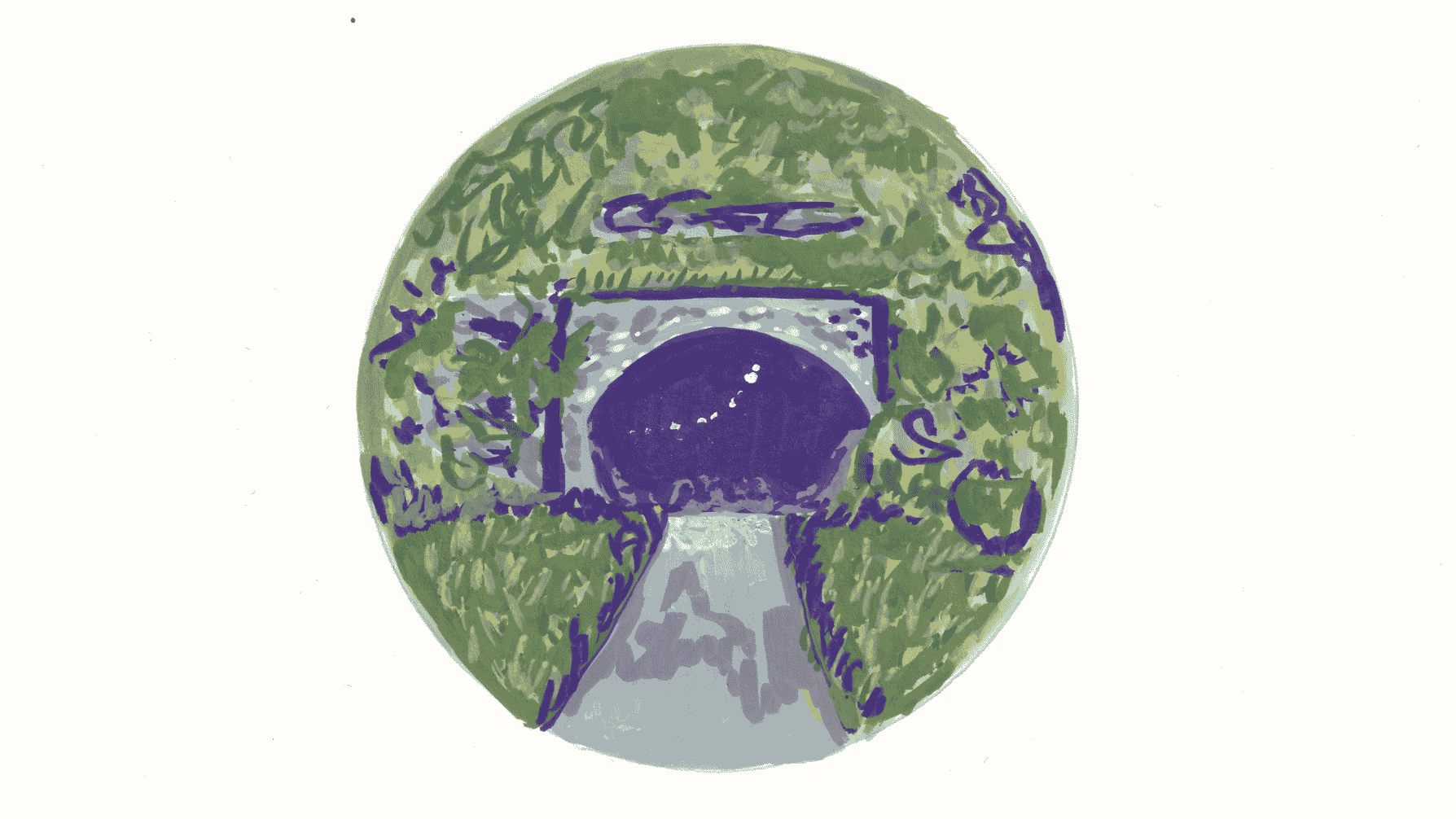
At dusk local bats take to the skies. The air is sweet with the smell of wild garlic that grows along the side of the path. The river Wye that runs along some parts of the trail is famous for being one of the only rivers in the UK that is home to wild rainbow trout.
Once a busy railway line, the Monsal Trail is now one of the most scenic walking and cycling routes in Derbyshire. The Monsal Trail showcases several of the most beautiful landscapes in Derbyshire in a single walk.